
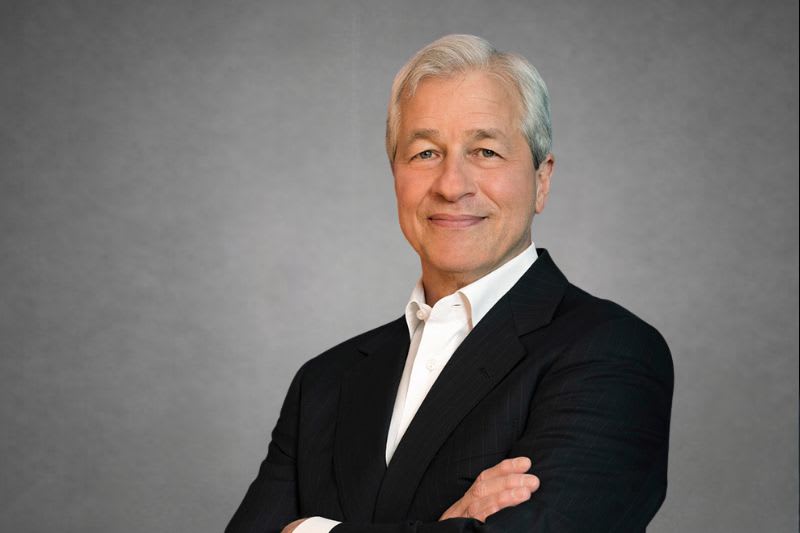
Jamie DimonCEO
Jamie Dimon, Chairman and CEO of JPMorgan Chase, shares his views on leadership, economic growth, national security, public policy, and the future of America. From strengthening alliances and rebuilding critical industries to expanding opportunity for working families, he explains why strong institutions, good policy, and a commitment to the American Dream matter more than ever.

Founder Stats
- Finance
- Started 2015 or
- $1M+/mo
- 50+ team
- USA
About Jamie Dimon
Jamie Dimon is the Chairman and CEO of JPMorgan Chase, the largest bank in the United States. Known for his direct views on business, leadership, and public policy, he has spent decades helping shape conversations around economic growth, financial stability, and America's long-term competitiveness.
Interview
June 8, 2026
What concerns you most about the world today?
The biggest issues are not the short-term economy. The real concerns are geopolitical. The war in Ukraine, instability in the Middle East, growing global deficits, military buildup around the world, and changes in trade relationships could have a major impact on the future of the free world. Those are the challenges that deserve our attention.
Why do you believe strong alliances are so important?
What does it take to maintain America's global leadership?
Why did JPMorgan launch its Security and Resiliency Initiative?
We looked at critical industries and realized many supply chains were vulnerable. Things like semiconductors, pharmaceuticals, rare earth materials, and advanced manufacturing are essential to national security. We wanted to support investment in these areas and help strengthen resilience across the economy.
What leadership lesson can businesses learn from national security challenges?
Why do you support targeted industrial policy in some areas?
I generally prefer free markets, but there are certain industries that are too important to ignore. Areas like rare earths, semiconductor production, and pharmaceutical ingredients are critical for security. Sometimes smart policy is needed to help build resilience and reduce dependence on potential adversaries.
What is holding America back from faster growth?
What do you see happening with affordability in America?
The biggest challenge is affecting the bottom portion of society. While many households have benefited from rising asset values and higher incomes, lower-income workers have seen fewer opportunities. We need policies that improve education, housing, infrastructure, and workforce development to create upward mobility.
What role should businesses play in supporting the American Dream?
Why are jobs so important to society?
Jobs create dignity. They provide income, purpose, and opportunity. That first job often leads to better opportunities later in life. Strong employment leads to better social outcomes, stronger families, less crime, and healthier communities. Work remains one of the most powerful tools for economic mobility.
What is your view on inflation today?
How do you view today's financial markets?
What is your approach to managing risk?
What makes a successful organization stay competitive over time?
What advice would you give leaders about continuous improvement?
What values have guided your life and career?
Table Of Questions
Video Interviews with Jamie Dimon
JPMorgan Chase CEO Jamie Dimon speaks at Reagan National Economic Forum
JPMorgan Chase CEO Jamie Dimon speaks at Reagan National Economic Forum

Jamie Dimon | SILVER INVESTORS ARE IN FOR A HUGE SURPRISE | BE READY
Democracy as a Ticker, Jamie Dimon’s F-Bomb, & US Perps
Cite This Interview
Use this interview in your research, article, or academic work
Related Interviews

Aaron Hoddinott
Founder & Managing Director at Pinnacle Digest
In this interview, Pinnacle Digest founder Aaron Hoddinott joins Andy Schectman to discuss global macroeconomic trends, mining sector investments, and shifting monetary systems. Hoddinott explains…
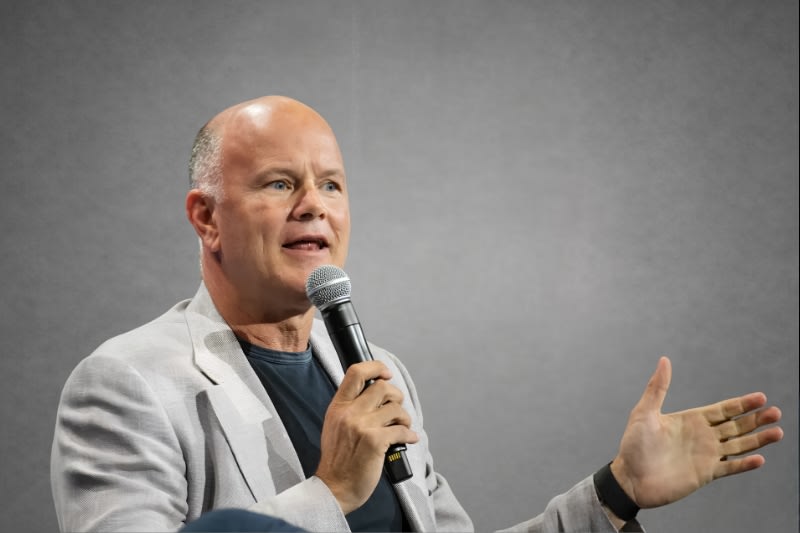
Mike Novogratz
Founder & CEO at Galaxy Digital
In this interview, Galaxy Digital founder and CEO Mike Novogratz discusses the evolution of cryptocurrency markets, the transition to utility-driven blockchain systems, and Galaxy's strategic…

Alex Hormozi
Founder & Managing Partner at Acquisition
In this interview, Acquisition.com founder Alex Hormozi discusses startup scaling strategies, long-term business time horizons, and the integration of artificial intelligence. Hormozi shares operational insights…

Cathie Wood
Founder, CEO & CIO at ARK Invest
In this interview, ARK Invest founder and CEO Cathie Wood discusses Bitcoin bottoming and emerging into a broad multi-year uptrend. Wood details critical macroeconomic metrics,…

Collin Kettell
Founder & CEO at Palisades Goldcorp
In this interview, Palisades Goldcorp founder and CEO Collin Kettell discusses their unique warrant-centric resource investment strategy at the Rick Rule Symposium. He details the…

Chris Aiken
Americas Indirect Tax Leader at EY (Ernst & Young)
In this interview, Chris Aiken discusses how EY is using agentic AI to automate complex tax processes, improve quality, and free professionals to focus on…