
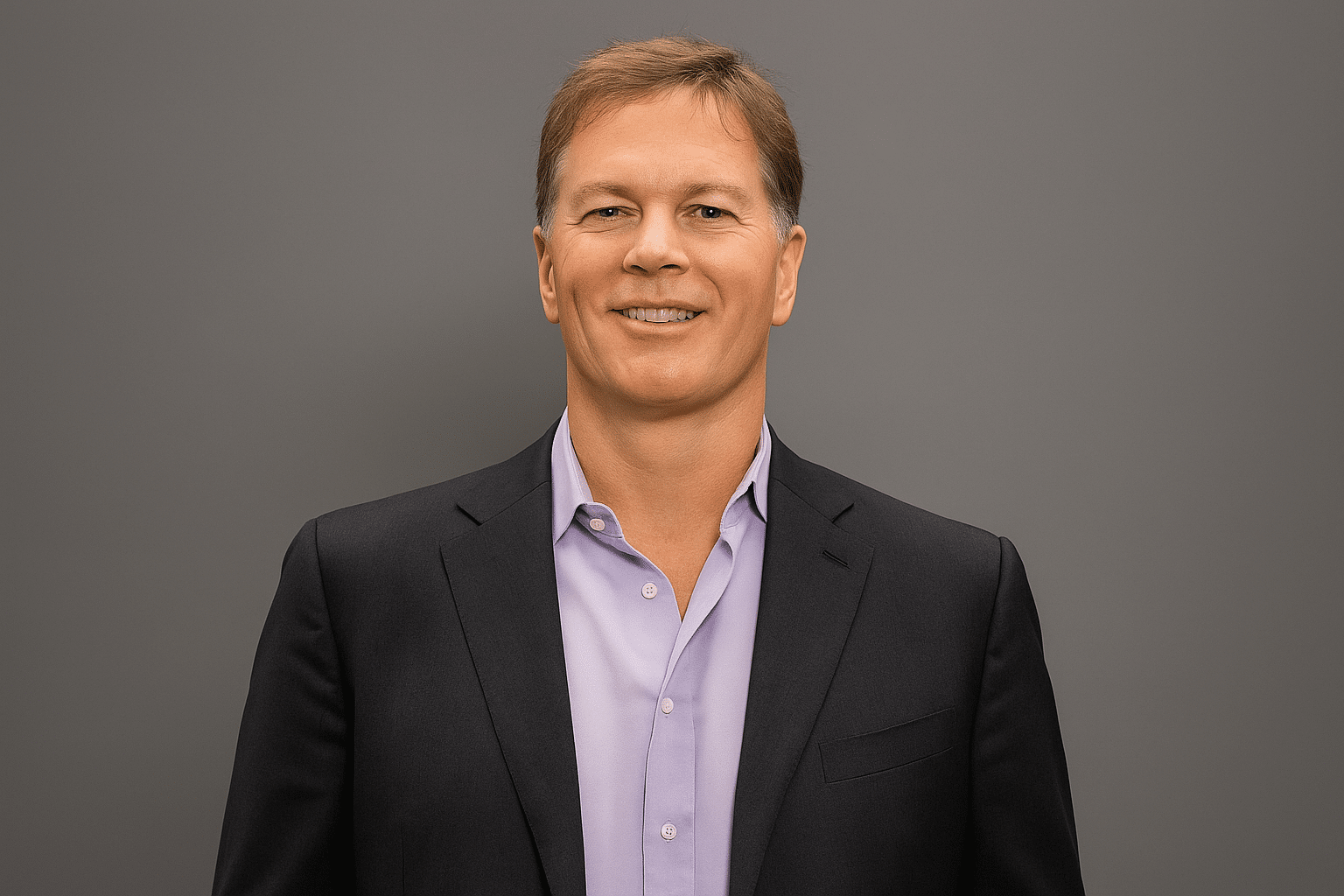
Dan MooreheadFounder & CEO
In this interview, Dan Morehead discusses the long-term investment case for digital assets and how blockchain technology is transforming global finance. He shares insights on identifying asymmetric opportunities, managing risk through market cycles, and maintaining conviction during periods of extreme volatility. The conversation highlights institutional adoption, the growing role of crypto ETFs and digital asset treasuries, and the importance of patience, disciplined position sizing, and long-term thinking in building investment success.
Founder Stats
- Technology, Finance, Cryptocurrency
- Started 2015 or
- $1M+/mo
- 50+ team
- USA
About Dan Moorehead
Dan Morehead is the founder and CEO of Pantera Capital, one of the first institutional investment firms focused exclusively on blockchain and digital assets. After a career at Goldman Sachs and Tiger Management, he founded Pantera Capital and later pivoted the firm fully toward cryptocurrency investing. Known for his macro investing perspective and long-term conviction in blockchain technology, Morehead has been a leading advocate for digital assets, institutional adoption, and disciplined investment strategies in emerging markets.
Interview
November 08, 2025
You were early with a crypto only hedge fund in 2013. What made you do it?
My background was global macro. Every few years you get a cool trade in one region. Bitcoin felt different. In 2011 I learned about it. In 2013 I read everything, met everyone, flew to the exchanges. Light bulb moment. It was the biggest trade ever and the most asymmetric. So I pivoted the fund to crypto.
In simple words, why is blockchain “the trade”?
Is crypto only about currency, or is it bigger?
How do you think about drawdowns and volatility?
You say crypto has low correlation. Why?
Where do you think institutional allocation will be by 2030?
How important was the recent policy shift in the US?
What changed with access to crypto for regular investors?
What is a digital asset treasury company and why use it?
How are you positioned at Panta today and why?
Will there be one winner chain, or many?
Does the number of tokens hurt the “digital gold” idea?
Are governments against blockchain?
Are stablecoins actually cheaper and better for payments today?
How do you keep conviction after big gains or big drops?
Best and worst trades of your career?
Table Of Questions
Video Interviews with Dan Moorehead
Dan Morehead: Crypto - The Most Asymmetric Trade in History
Dan Morehead: Crypto - The Most Asymmetric Trade in History

Solana's had better performance than bitcoin over the last four years, says Pantera's Dan Morehead
The Truth About the 2025 Crypto Rally ft. Dan Morehead
Cite This Interview
Use this interview in your research, article, or academic work
Related Interviews

Naveen Rao
VP of Generative AI & Former CEO of MosaicML at Databricks
In this interview, Naveen Rao, VP of Generative AI at Databricks and former CEO of MosaicML, analyzes the explosive economics of artificial intelligence inference and…
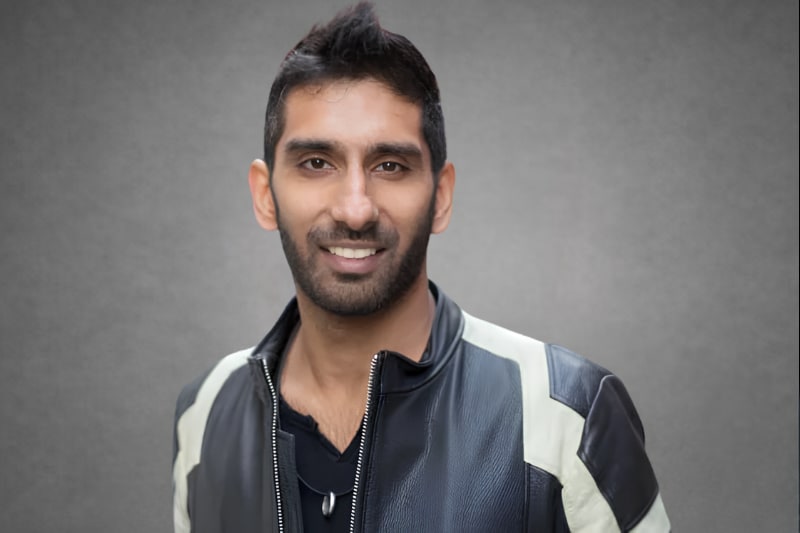
Rahul Vohra
Founder & CEO at Superhuman
In this interview, Rahul Vohra, Founder and CEO of Superhuman, explores why superficial AI integrations fail to retain software users and outlines frameworks for embedding…

Sam Altman
Co-founder & CEO at OpenAI
In this interview, Sam Altman, Co-Founder and CEO of OpenAI, explores the practical trajectory toward artificial general intelligence and the imperative of human agency in…
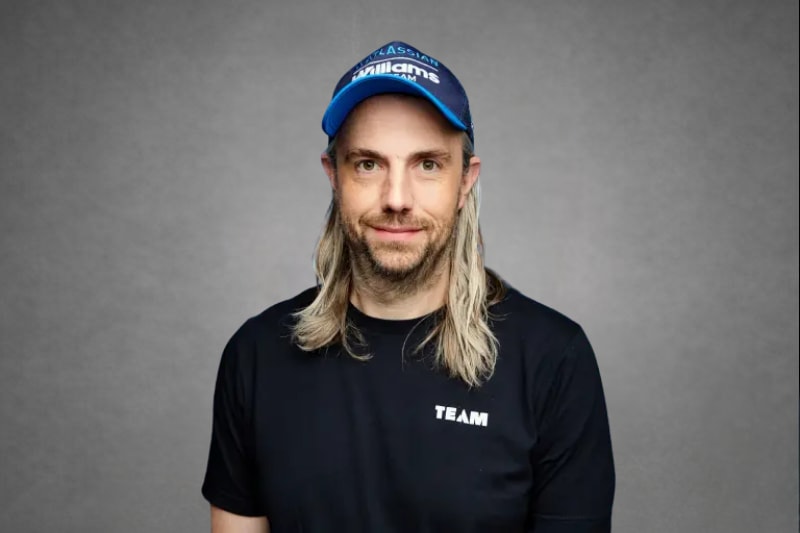
Mike Cannon-Brookes
Co-Founder & CEO at Atlassian
In this interview, Mike Cannon-Brookes, Co-Founder and CEO of Atlassian, discusses the practical integration of autonomous AI agents across modern enterprise collaborative workflows. He examines…

Jensen Huang
Co-founder & CEO at NVIDIA
In this interview, Jensen Huang, Founder, President and CEO of NVIDIA, addresses prevailing existential narratives surrounding artificial intelligence and outlines Europe's sovereign computing opportunities. He…

Aneel Bhusri
Co-Founder & CEO at Workday
In this interview, Aneel Bhusri, Co-Founder and CEO of Workday, unpacks the seismic impact of enterprise AI agents on global corporate labor and organizational architecture.…