
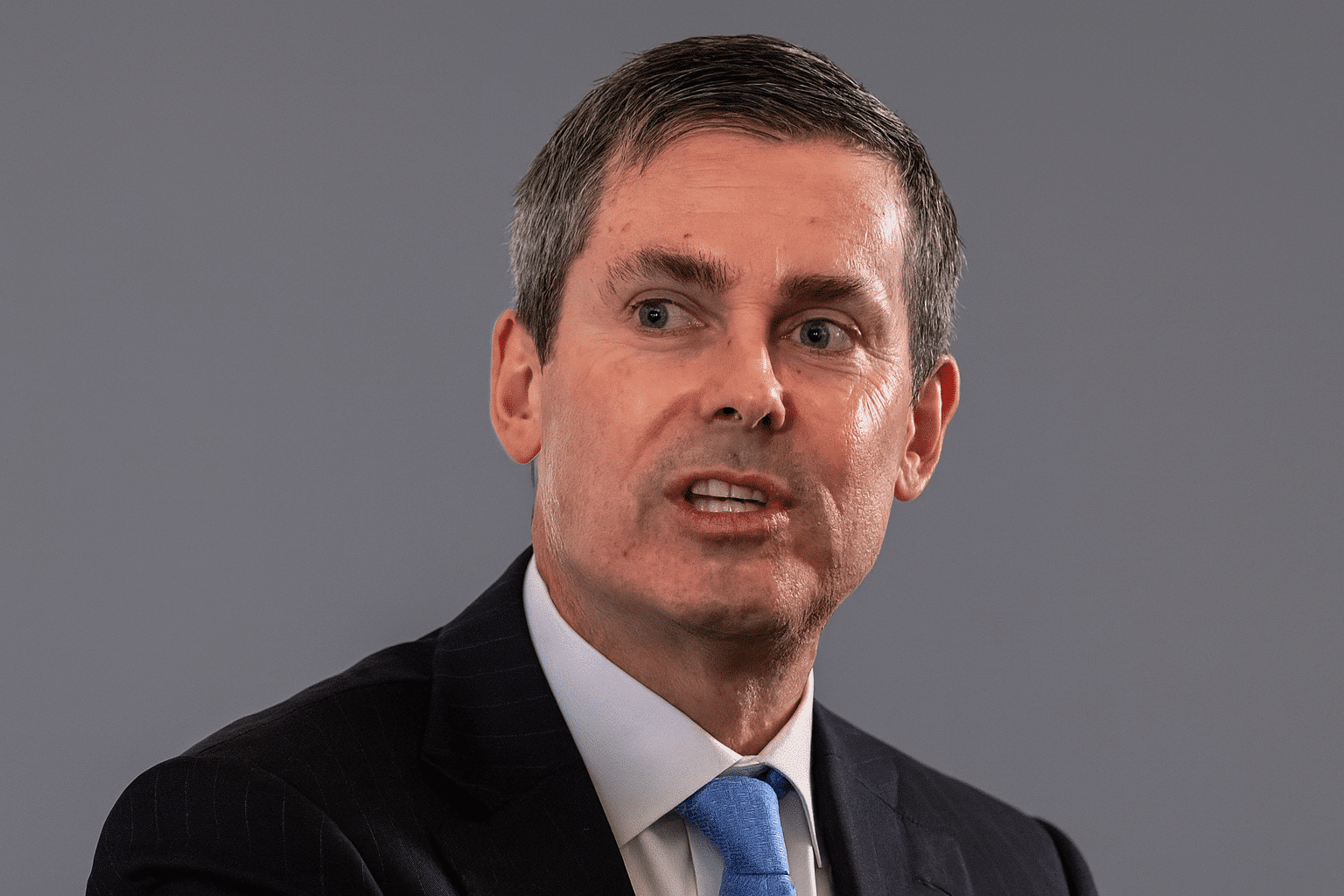
Dave RicksChair & CEO
In this interview, Dave Ricks discusses leading Eli Lilly through the rapid growth of GLP-1 therapies while accelerating innovation across the drug development process. He shares insights on using AI to shorten research timelines, expanding global clinical trials, and balancing scientific breakthroughs with patient safety and access. The conversation highlights long-term investment in R&D, operational excellence, healthcare innovation, and how technology can help deliver better outcomes for patients at scale.

Founder Stats
- Pharmaceuticals, AI, Health & Wellness
- Started 2015 or
- $1M+/mo
- 50+ team
- USA
About Dave Ricks
Dave Ricks is the Chairman and CEO of Eli Lilly and Company, one of the world's leading pharmaceutical organizations. Since becoming CEO, he has overseen significant growth driven by breakthrough treatments in areas such as diabetes, obesity, oncology, and neuroscience. Under his leadership, Eli Lilly has expanded its investment in research, artificial intelligence, and advanced drug discovery technologies while maintaining a strong focus on patient outcomes, scientific excellence, and global healthcare impact.
Interview
November 23, 2025
Who is Dave Ricks and what is his role at Eli Lilly today?
I chair and run Eli Lilly, steering a 150-year-old drug maker toward the next diseases. My job is choosing where to aim research, how much risk to take, and balancing investors with patients waiting for treatments. Right now that means guiding the GLP-1 surge and rebuilding our science with large-scale computing.
What are GLP-1 drugs and why have they become so central to Lilly’s business?
GLP-1 drugs began as diabetes treatments and proved powerful for weight loss. They act on brain and gut pathways for appetite, glucose, and energy. For many people they bring sustained double-digit weight loss with health benefits, so demand exploded. Our job is to scale factories, supply chains, and long-term evidence to match that responsibility.
How much is Lilly investing in research and development right now, and how do you justify that level of spend?
You are building a supercomputer with NVIDIA. What problem are you actually trying to solve with that project?
Biology is now a data problem. With NVIDIA we are building a system that can simulate and rank billions of potential interactions across protein structures, genomics, clinical histories, and imaging. The goal is not for the machine to invent drugs, but to narrow the search so scientists start from higher-probability ideas.
How do you personally use AI in your daily work as a CEO?
People talk as if AI will suddenly make drug discovery cheap and easy. Why is that view incomplete?
AI can find targets, propose molecules, and flag some toxicity earlier. It makes the front end faster. But you still have to test drugs in real people across many countries over long periods. Most cost and time sits in rigorous clinical trials, so AI improves odds but does not erase the need for careful testing.
How much does it really cost to bring one successful drug to market?
One successful drug can represent several billion dollars when you include all the failed programs. Estimates around $3.5–$4B feel directionally right. Costs are not just science; they include global trials, manufacturing scale-up, safety monitoring, and post-approval commitments. Pricing discussions need that whole picture.
Why are so many of Lilly’s clinical trials now being run outside the United States?
We go outside the U.S. for speed and cost. Many countries let you enroll patients and get approvals faster while keeping high ethics and safety standards. U.S. trial infrastructure can be slower and pricier. We still run pivotal studies here, but we cannot ignore places that let us move faster without losing quality.
What is LillyDirect and why did you decide to build it?
LillyDirect is a digital path that combines online prescribing partners, pharmacy services, and support programs. It is not meant to replace doctors or local pharmacies, but to make it easier for people to start and stay on therapy, especially in areas like obesity. It also shows us where access friction lives so we can fix it.
Looking ahead, how do you see AI and human science working together inside Lilly?
AI will sit alongside our best scientists. It will propose options, simulate scenarios, and surface patterns, while humans choose risks, design experiments, and balance trade-offs. I expect it to shrink early discovery timelines and design smarter trials, but people will still make the hard calls for patients trusting us.
Table Of Questions
Video Interviews with Dave Ricks
David Ricks, CEO of Eli Lilly: Leadership And Innovation In Pharma
David Ricks, CEO of Eli Lilly: Leadership And Innovation In Pharma

Eli Lilly CEO Dave Ricks On The Future Of Obesity And Diabetes Treatment
Dave Ricks Discusses Drug Pricing, R&D, And Innovation At Eli Lilly
Cite This Interview
Use this interview in your research, article, or academic work
Related Interviews

Naveen Rao
VP of Generative AI & Former CEO of MosaicML at Databricks
In this interview, Naveen Rao, VP of Generative AI at Databricks and former CEO of MosaicML, analyzes the explosive economics of artificial intelligence inference and…
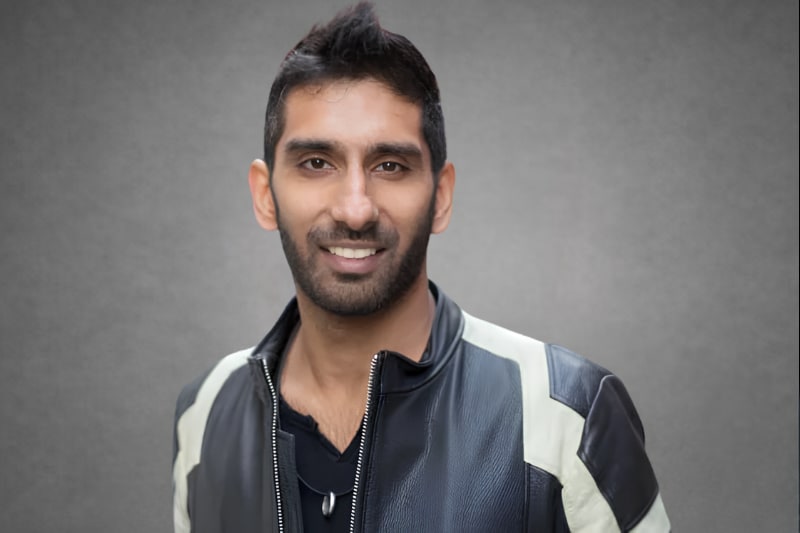
Rahul Vohra
Founder & CEO at Superhuman
In this interview, Rahul Vohra, Founder and CEO of Superhuman, explores why superficial AI integrations fail to retain software users and outlines frameworks for embedding…

Sam Altman
Co-founder & CEO at OpenAI
In this interview, Sam Altman, Co-Founder and CEO of OpenAI, explores the practical trajectory toward artificial general intelligence and the imperative of human agency in…
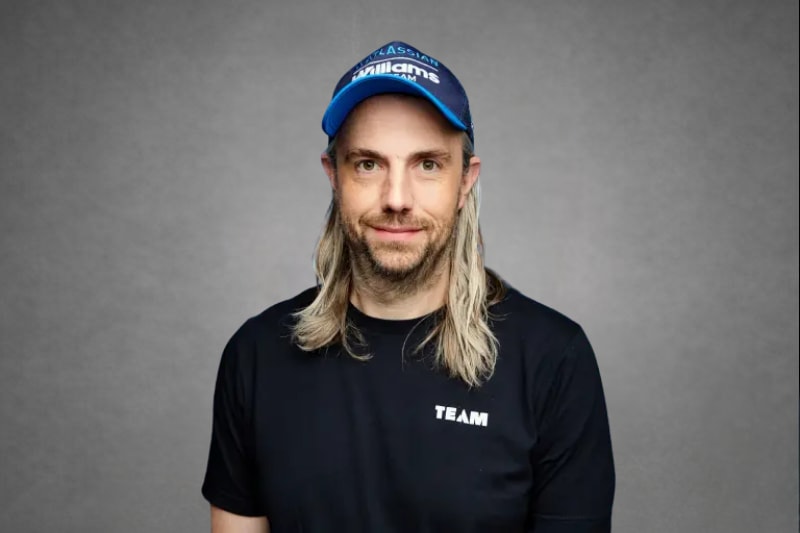
Mike Cannon-Brookes
Co-Founder & CEO at Atlassian
In this interview, Mike Cannon-Brookes, Co-Founder and CEO of Atlassian, discusses the practical integration of autonomous AI agents across modern enterprise collaborative workflows. He examines…

Jensen Huang
Co-founder & CEO at NVIDIA
In this interview, Jensen Huang, Founder, President and CEO of NVIDIA, addresses prevailing existential narratives surrounding artificial intelligence and outlines Europe's sovereign computing opportunities. He…

Aneel Bhusri
Co-Founder & CEO at Workday
In this interview, Aneel Bhusri, Co-Founder and CEO of Workday, unpacks the seismic impact of enterprise AI agents on global corporate labor and organizational architecture.…