
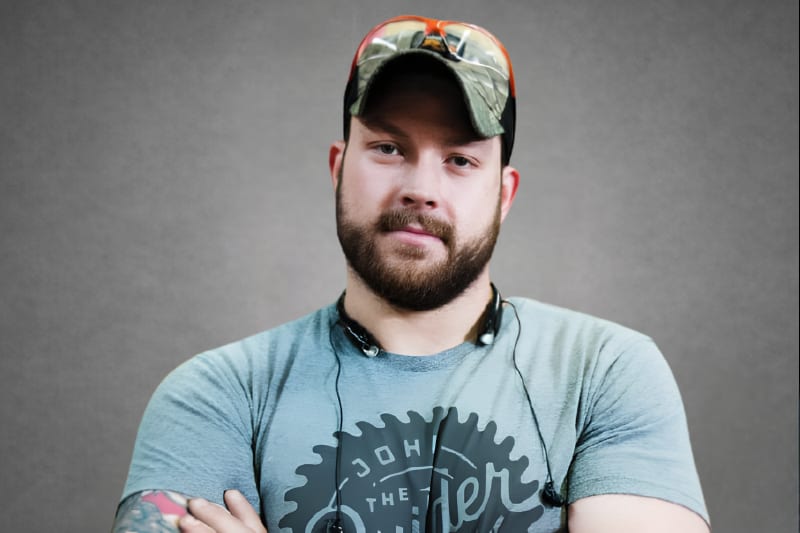
John MaleckiFounder & CEOFrom NFL cuts to building a 1.3 million dollar craft media empire
In this interview, John Malecki, Founder and CEO of John Malecki Media, details his transition from professional football to building a 1.3 million USD annual revenue woodworking and digital creator business. He examines bootstrapping physical workshop operations, diversifying income streams between bespoke furniture and sponsor partnerships, and managing production overhead. Malecki provides candid lessons on developing operational discipline, overcoming career setbacks, and turning craft skills into a sustainable modern enterprise.


Founder Stats
- Production
- Started 2016
- $108K/mo
- Under 10 employees
- Pittsburgh, Pennsylvania, USA
About John Malecki
John Malecki is the Founder and CEO of John Malecki Media, a bespoke furniture manufacturing studio and digital video production brand based in Pittsburgh. A former offensive lineman for the Pittsburgh Steelers and Tennessee Titans, he pivoted to fine woodworking and digital storytelling after retiring from professional sports. Malecki has built a multimillion-view media audience, scaled custom furniture production, and created educational woodworking blueprints for aspiring artisans.
Interview
November 12, 2026
How did getting cut from professional football teams shape your entrepreneurial resilience?
Getting released from thirteen NFL rosters taught me that rejection is simply part of the game. Professional athletics forces you to evaluate mistakes immediately, correct technique, and show up ready to execute the next morning. When you transition that mindset into entrepreneurship, sudden operational crises or lost contracts do not break you emotionally. You treat every setback as feedback and keep moving forward relentlessly.
What motivated you to transition from professional athletics into fine woodworking?
After football ended, I needed a physical and creative outlet that demanded total focus. I started building basic wooden tables in a garage with secondhand tools borrowed from family. The tangible satisfaction of taking rough lumber and transforming it into functional furniture gave me the exact same adrenaline and discipline that athletics once provided. I quickly realized this craft could become a viable commercial enterprise.
How did you monetize your early woodworking projects before launching your media brand?
Initially, I took on custom furniture commissions for friends, local homeowners, and area businesses. I priced projects manually based on raw material costs and estimated labor hours. Operating as a pure custom fabrication shop was exhausting because revenue ceased whenever my hands stopped building. That financial plateau compelled me to document build techniques on video, opening entirely new revenue streams through sponsors and digital guides.
What balance do you maintain between bespoke physical furniture production and video creation?
Bespoke physical fabrication provides the authentic technical credibility that anchors our brand. However, digital media generates the overwhelming majority of our high-margin earnings. We design our workshop projects so that every custom build serves as the subject for an engaging video. The furniture generates client revenue, while the filming process produces educational assets that monetize globally through programmatic advertising and brand partnerships.
How do you structure brand sponsorships without alienating your core craftsman audience?
We partner exclusively with tool manufacturers, safety gear brands, and materials suppliers that we use daily in the shop. If a tool fails our workshop testing, we refuse the sponsorship contract outright. Our audience trusts our recommendations because we highlight honest product limitations on camera. When brand integrations solve real problems for our viewers, sponsorships enhance content utility rather than disrupting viewer enjoyment.
What operational framework helped you scale from a one-person garage to five employees?
I initially attempted to handle machining, editing, accounting, and client communications entirely alone, which caused severe burnout. My first critical hire was a dedicated video editor, which freed me to focus on shop craftsmanship and business development. As revenue expanded, we hired skilled woodworkers and a studio manager. Documenting standardized workshop procedures allowed team members to maintain high quality without requiring my supervision.
How do you manage material costs and shop overhead in a physical manufacturing business?
Lumber and hardware pricing fluctuate unpredictably, so we establish wholesale accounts with regional sawmills and purchase bulk inventory in advance. We track scrap lumber meticulously, repurposing high-grade cutoffs into smaller branded home goods or shop accessories. Minimizing physical waste directly protects our operating margins. Furthermore, diversifying our revenue into digital products protects cash flow when physical furniture deliveries experience seasonal lulls.
What pricing philosophy allowed you to grow company earnings past one million annually?
Early in my career, I underpriced my craftsmanship because I feared losing price-sensitive clients. I learned that competing on low price attracts demanding customers who appreciate craftsmanship least. We shifted toward premium bespoke positioning, charging professional rates that account for design complexity, premium joinery, and specialized finishes. High-ticket commissions coupled with digital educational blueprints allowed our revenue to surpass one million USD.
How do you evaluate whether to invest capital into expensive workshop machinery?
We only purchase advanced machinery like industrial CNC routers or wide-belt sanders when an existing manufacturing bottleneck restricts revenue growth. If an automated tool reduces four hours of manual labor down to fifteen minutes, the machine pays for itself within months. We avoid buying shiny equipment for novelty. Every capital expenditure must directly improve shop throughput, employee safety, or video production value.
What advice do you give athletes and professionals transitioning into blue-collar entrepreneurship?
Swallow your pride and accept being a beginner again. Many professionals struggle with transitions because they cannot stand looking unskilled during early learning stages. You must be willing to make ugly furniture, ruin expensive wood, and seek guidance from seasoned veterans. Developing artisan skills takes years of humble repetition. If you combine coachability with intense athletic work ethic, you will outperform competitors.
How do you maintain authentic community engagement while managing a demanding production schedule?
We treat our community as extended workshop apprentices rather than passive viewers. In our videos, we transparently showcase catastrophic mistakes, damaged lumber, and design miscalculations instead of pretending every build is flawless. Viewers learn more from seeing how professionals salvage blunders than from sterile perfection. That transparency builds deep emotional loyalty, converting casual social viewers into lifelong brand advocates and customers.
What long-term vision guides the expansion of John Malecki Media over the next five years?
Our long-term mission is inspiring the next generation of builders and skilled trades artisans. We plan to expand our digital educational academies, manufacture proprietary woodworking hand tools, and build a creative hub for makers. The trades offer extraordinary fulfillment and lucrative financial security for disciplined operators. We want to prove that working with your hands remains one of the most rewarding career paths.
Table Of Questions
Video Interviews with John Malecki
He Started on YouTube Just to Get Free Stuff. Now 1.3M USD / Year. - UpFlip (Interview Video)

He Started on YouTube Just to Get Free Stuff. Now 1.3M USD / Year. - UpFlip (Interview Video)

Building a 100,000 USD Custom Table in 30 Days - John Malecki
How I Built a Million Dollar Woodworking Business - John Malecki
Cite This Interview
Use this interview in your research, article, or academic work
Related Interviews
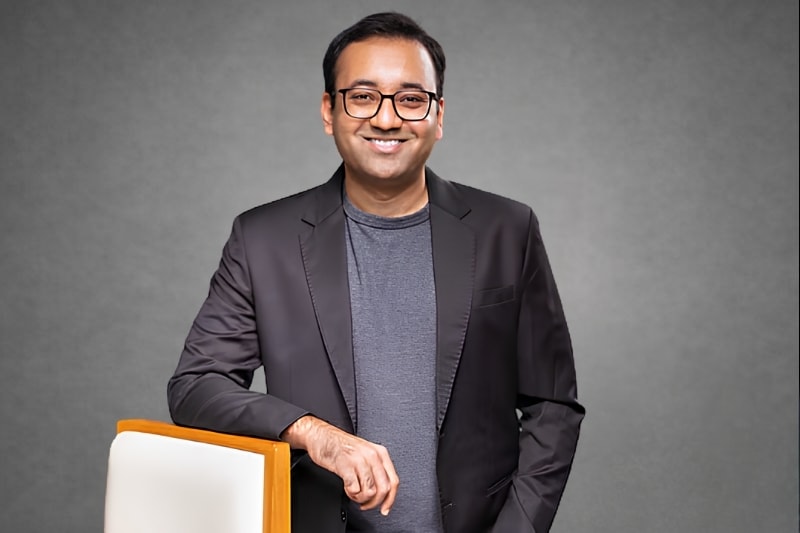
Tarun Mehta
Co-Founder & CEO at Ather Energy
Building Ather from college project to IPO
In this interview, Ather Energy co-founder and CEO Tarun Mehta reflects on building India's premier electric two-wheeler enterprise from an experimental college project into a…

Simon Baloyi
President & CEO at Sasol
In this interview, Sasol president and CEO Simon Baloyi discusses the operational turnaround of the global integrated chemicals and energy company. Baloyi details cross-functional collaboration…
Tarun Mehta
Co-Founder & CEO at Ather Energy
Konaq launch and electric scooter expansion
In this interview, Ather Energy co-founder and CEO Tarun Mehta discusses the evolution of India's electric two-wheeler market and the unveiling of the EL platform…

Peter Beck
Founder & CEO at Rocket Lab
Building an integrated space systems ecosystem
In this interview, Rocket Lab founder and CEO Sir Peter Beck discusses the company's evolution from a rocket launch startup into an integrated space systems…

Dr. Frank-Steffen Walliser
Chairman & CEO at Bentley Motors
In this interview, Bentley Motors Chairman and CEO Dr. Frank-Steffen Walliser discusses the engineering, craftsmanship, and design philosophy behind high-performance luxury cars. Walliser explains why…

Ronnen Harary
Co-founder & Board Chair at Spin Master
In this interview, Spin Master co-founder Ronnen Harary discusses building a global toy empire, the power of entrepreneurship, and overcoming learning disabilities. Harary shares the…