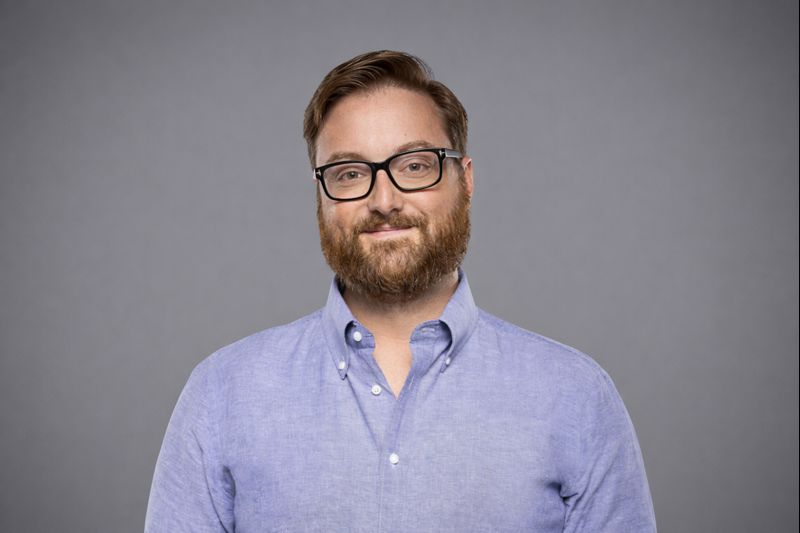
Brian Schimpf, Co-founder and CEO, Anduril Industries at Anduril Industries
4.9/5 Rating
Technology, AI, Defense, Manufacturing
$1M+/mo

Brian SchimpfCo-founder and CEO, Anduril Industries

In this interview, Brian Schimpf discusses how Anduril Industries is transforming defense through autonomy, software, and rapid innovation. He shares lessons from scaling the company to thousands of employees while maintaining accountability, talent density, and execution speed. Schimpf explains why modern defense requires faster development cycles, resilient production systems, and leaders who can build organizations capable of adapting to the evolving demands of future warfare.

Brian Schimpf

Brian Schimpf

Co-founder and CEO, Anduril Industries

Anduril Industries

Anduril Industries

Founder Stats

  • Technology, AI, Defense, Manufacturing
  • Started 2017
  • $1M+/mo
  • 50+ team
  • USA

About Brian Schimpf

Brian Schimpf is the co-founder and CEO of Anduril Industries, a defense technology company focused on autonomous systems, artificial intelligence, and advanced military platforms. Since founding Anduril in 2017, he has led the company’s rapid growth into one of the most influential defense startups in the United States. Under his leadership, Anduril has expanded its workforce, scaled production capabilities, and helped modernize defense through software-driven innovation.

Interview

December 21, 2025

Q

How would you describe Anduril’s growth so far?

Question 1 of 17
Brian Schimpf

We are about eight years in, around 7,000 employees, and we have doubled revenue every year. Even after crossing a billion dollars in revenue, growth continues. We scaled people, products, and production much faster than expected because demand and global conditions accelerated everything.

0
Q

Why did growth move faster than your original expectations?

Question 2 of 17
Brian Schimpf

A mix of timing and execution. The world became less stable faster than expected, and governments needed these capabilities now. Customers were ready to move quickly, and we were building the right things at the right time, which pulled growth forward.

0
Q

How do you decide which products Anduril should build?

Question 3 of 17
Brian Schimpf

We look for real adoption in three to five years, a clear technical edge, and customers who are ready to buy now. We avoid projects that are ten years out or disconnected from where the military is actually heading.

0
Q

How has product complexity changed as Anduril scaled?

Question 4 of 17
Brian Schimpf

Early on, smaller drones made sense given capital and expertise. Over time, we moved into much harder problems like autonomous fighter jets and long-range systems. As the company matured, we became capable of building much larger and more complex platforms.

0
Q

What role does software play in scaling so many systems?

Question 5 of 17
Brian Schimpf

Software is the foundation. We built a shared platform for sensors, compute, autonomy, and communications. That lets us move fast without reinventing everything. We reuse and refine components, which allows rapid deployment and continuous improvement.

0
Q

Why focus so strongly on autonomous and disconnected warfare?

Question 6 of 17
Brian Schimpf

Future battlefields will be contested and disconnected. Systems must operate autonomously without constant links. Everything we build aligns with that belief. If a product does not make sense in that environment, we do not pursue it.

0
Q

How do you think about pricing and accountability?

Question 7 of 17
Brian Schimpf

Our products should be far cheaper than traditional alternatives. We prefer fixed-price models and even cases where we do not get paid if we fail. That accountability makes us better and delivers better outcomes for the government.

0
Q

What is broken in traditional defense procurement?

Question 8 of 17
Brian Schimpf

The government often takes all the risk while companies get guaranteed profit. That leads to slow delivery and rising costs. We prefer taking risk ourselves, which forces speed, discipline, and real performance instead of endless complexity.

0
Q

How do global tensions shape Anduril’s strategy?

Question 9 of 17
Brian Schimpf

The world is clearly more unstable. Countries want assured supply, faster delivery, and local production. That creates demand for companies that can scale quickly, adapt software, and produce systems at speed.

0
Q

What did you learn from the Australia Ghost Shark program?

Question 10 of 17
Brian Schimpf

Australia had a real capability gap and moved fast. We shared risk, built local teams, and delivered quickly. It showed what is possible when both sides commit and prioritize speed and execution.

0
Q

Why is assured supply now a strategic advantage?

Question 11 of 17
Brian Schimpf

Some systems take five to fifteen years to deliver, which is unacceptable during real threats. Nations want certainty that what they order will arrive. Speed and reliability are now strategic, not optional.

0
Q

How can the US expand defense manufacturing capacity?

Question 12 of 17
Brian Schimpf

The capacity already exists in commercial industry. The mistake was isolating defense. You cannot mass-produce extremely complex systems without designing for scale from day one using existing industrial capacity.

0
Q

What supply chain risks concern you most?

Question 13 of 17
Brian Schimpf

Rare earths, magnets, and semiconductors are national policy issues. Defense-only solutions are too expensive. We need commercially viable supply chains in the US or allied countries to maintain resilience and independence.

0
Q

What leadership lesson did you take from Palantir?

Question 14 of 17
Brian Schimpf

Talent density matters more than comfort. Truly talented people are opinionated and challenging, but that friction creates innovation. Empowering brilliant people to own problems beats layers of management optimizing outdated systems.

0
Q

How do you avoid bureaucracy as the company grows?

Question 15 of 17
Brian Schimpf

We avoid optimizing for stability too early. Middle management can kill creativity. We need people who can adapt and invent because we constantly face new technical and geopolitical challenges.

0
Q

What excites you most about the next few years?

Question 16 of 17
Brian Schimpf

Success pulls us into bigger and harder problems. We are becoming deeply involved in shaping global defense. That scale and impact, combined with speed, is incredibly motivating.

0
Q

Do you believe Anduril is undervalued?

Question 17 of 17
Brian Schimpf

I always think we are undervalued. If the world needs more autonomous and affordable defense systems, then we are undervalued. Most signals suggest demand is increasing, not shrinking.

0

Video Interviews with Brian Schimpf

Anduril CEO Brian Schimpf on $1B+ Revenue & Still Doubling
Anduril CEO Brian Schimpf on $1B+ Revenue & Still Doubling
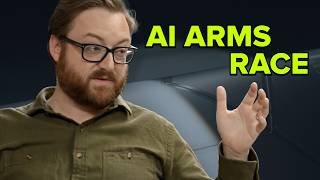
Anduril CEO Brian Schimpf on $1B+ Revenue & Still Doubling

How AI Is Changing Warfare, with Anduril CEO Brian Schimpf
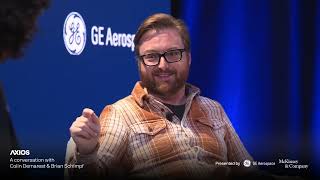
How AI Is Changing Warfare, with Anduril CEO Brian Schimpf

Future of Defense: Anduril’s Brian Schimpf & Axios’ Colin Demarest

Future of Defense: Anduril’s Brian Schimpf & Axios’ Colin Demarest

Cite This Interview

Use this interview in your research, article, or academic work

Related Interviews
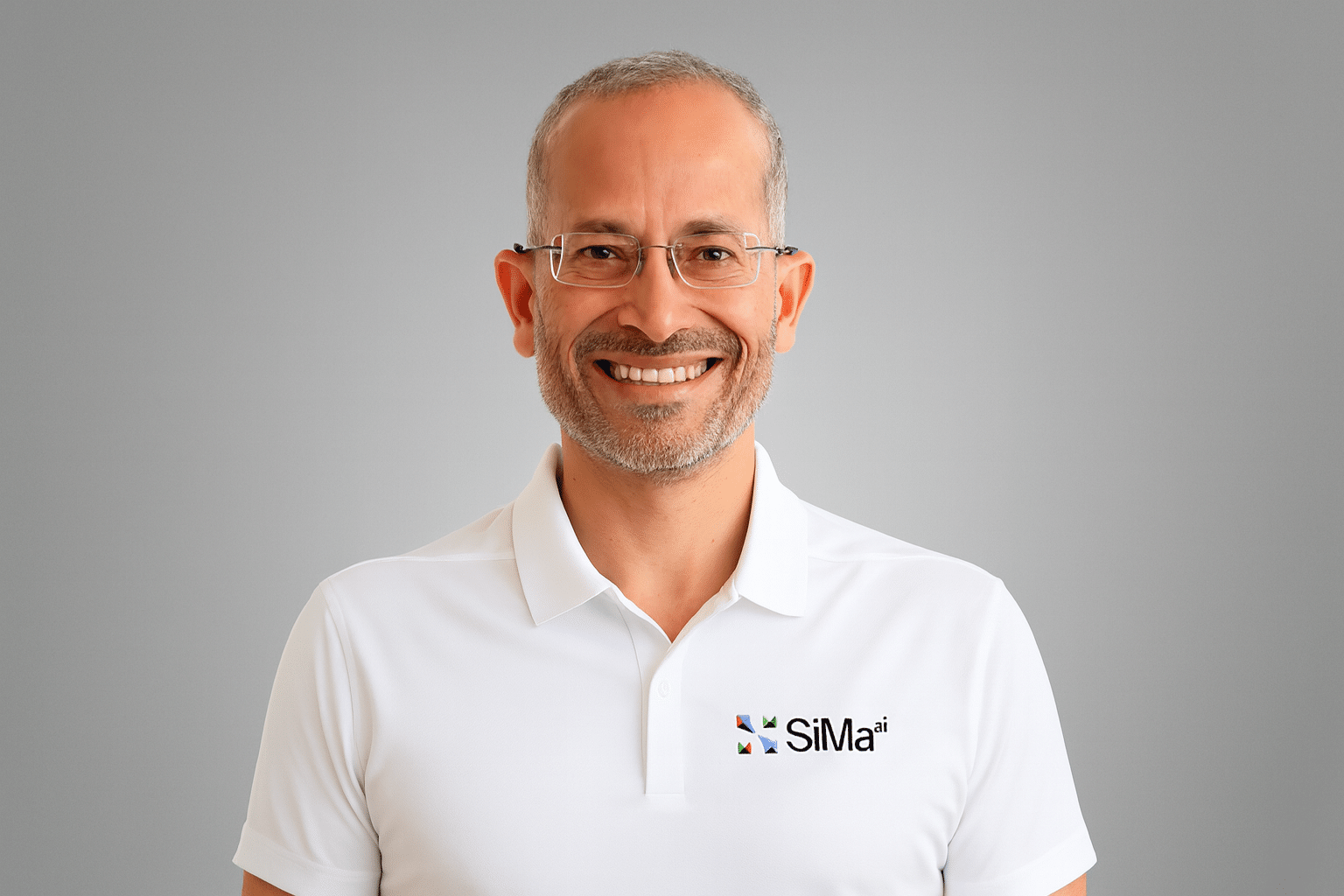
Krishna Rangasayee, Founder & CEO at SiMa.ai
Technology, AI, Production

Krishna Rangasayee

Founder & CEO at SiMa.ai

$500K–$1M
50+

In this interview, Krishna Rangasayee discusses the rise of physical AI and the opportunities created by bringing intelligent decision-making directly to edge devices. He shares…
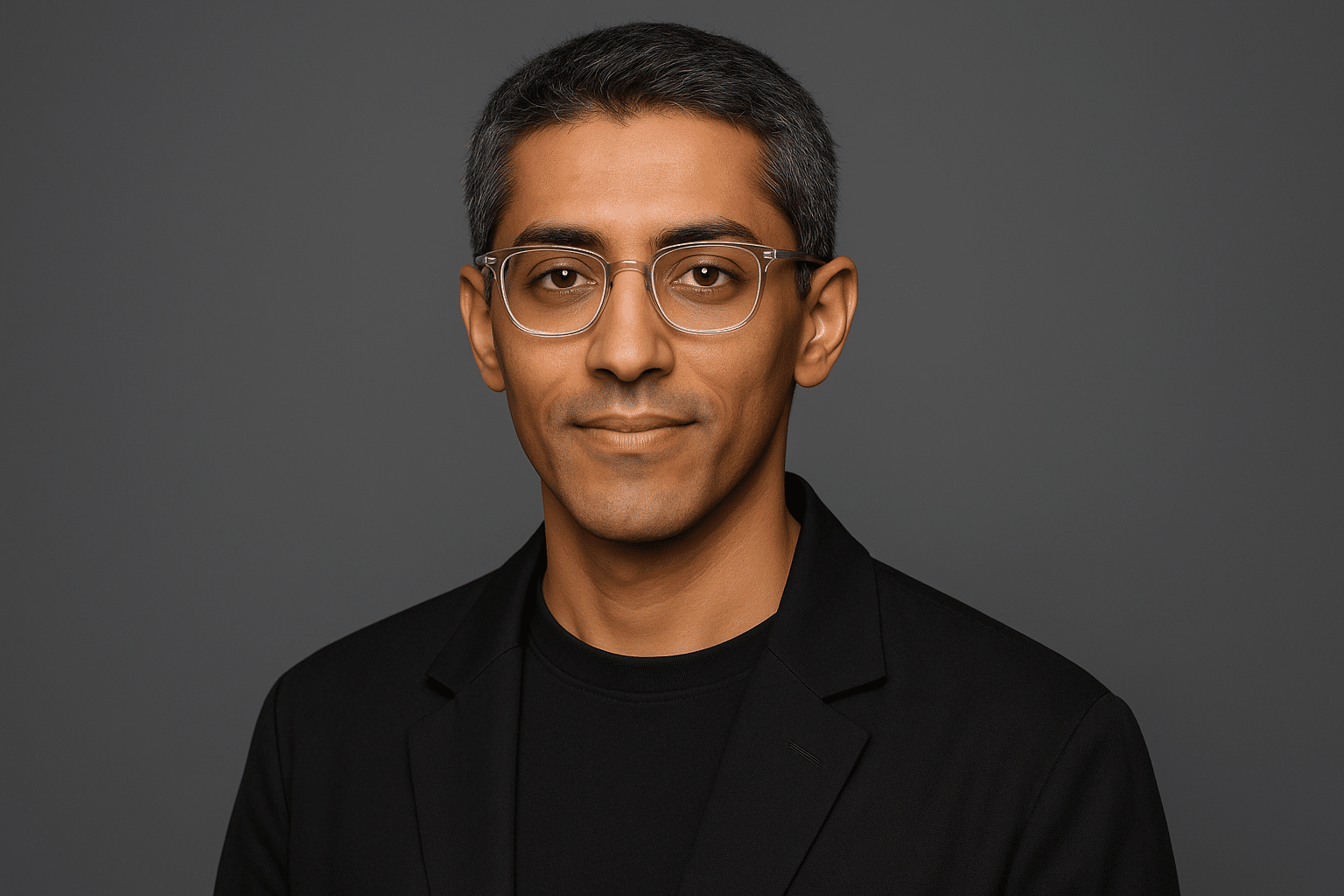
Read Interview
Dhanush Radhakrishnan, Founder & CEO at Clone Robotics
Technology, AI, Production

Dhanush Radhakrishnan

Founder & CEO at Clone Robotics

$100K–$500K
21–50

In this interview, Dhanush Radhakrishnan discusses the mission behind Clone Robotics and the pursuit of human-level robotics through musculoskeletal androids powered by artificial muscles. He…

Read Interview
Allison Ellsworth, Co-founder at Poppi
Retail

Allison Ellsworth

Co-founder at Poppi

Approx. $42 Million
250+

In this interview, Poppi co-founder Allison Ellsworth shares the journey of building a prebiotic soda brand from a kitchen counter experiment to a 1.95 billion…

Read Interview
Sam Altman, Co-founder & CEO at OpenAI
AI

Sam Altman

Co-founder & CEO at OpenAI

Approx. $2 Billion
8000+

In this interview, OpenAI co-founder and CEO Sam Altman discusses the shifting dynamics of startup creation, the trajectory of model scaling laws, and the geopolitical…

Read Interview
Jamie Dimon, Chairman & CEO at JPMorgan Chase
Finance

Jamie Dimon

Chairman & CEO at JPMorgan Chase

Approx. $15 Billion
32000+

In this interview, JPMorgan Chase Chairman and CEO Jamie Dimon discusses navigating macroeconomic tail risks, managing corporate bureaucracy, and building long-term financial resilience. Dimon addresses…

Read Interview
Jensen Huang, Co-founder & CEO at NVIDIA
Technology

Jensen Huang

Co-founder & CEO at NVIDIA

$1M+
50000+

In this interview, NVIDIA co-founder and CEO Jensen Huang discusses the geopolitical landscape of AI, the co-existence of open-source and closed models, and the massive…

Read Interview