
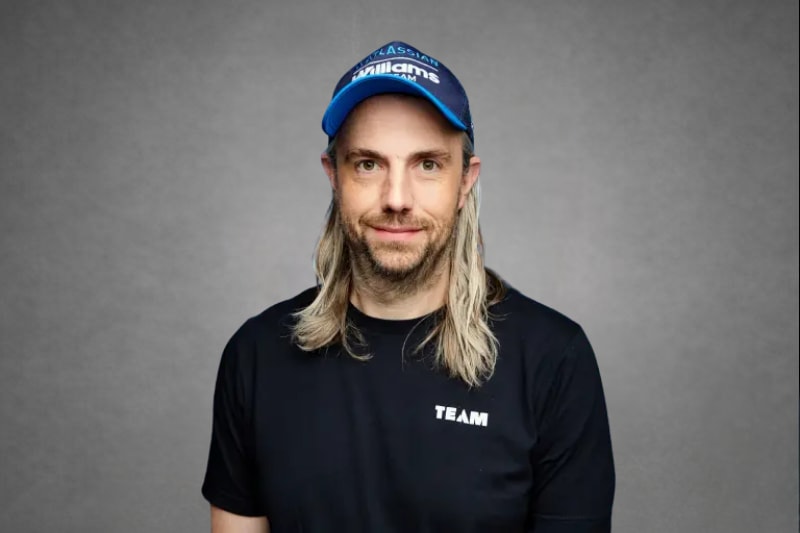
Mike Cannon-BrookesCo-Founder & CEO
In this interview, Mike Cannon-Brookes, Co-Founder and CEO of Atlassian, discusses the practical integration of autonomous AI agents across modern enterprise collaborative workflows. He examines why software interfaces will endure alongside autonomous agents, the shifting economics of specialized foundational models, and corporate data governance. Cannon-Brookes delivers sharp executive guidance on cloud migration, product-led distribution, and scaling enduring enterprise software platforms.

Founder Stats
- SaaS
- Started 2002
- Approx. USD 350 Million/mo
- 12000+ team
- Sydney, New South Wales, Australia
About Mike Cannon-Brookes
Mike Cannon-Brookes is Co-Founder and CEO of Atlassian, a global leader in collaboration and productivity software powering tools including Jira, Confluence, and Trello. He graduated from the University of New South Wales with a bachelor's degree in information systems. Under his co-leadership, Atlassian pioneered product-led enterprise growth, scaled globally without a traditional salesforce, and achieved widespread public cloud adoption across millions of enterprise teams.
Interview
October 22, 2026
Why do you argue that autonomous AI agents will not eliminate conventional software interfaces?
Autonomous agents excel at executing repetitive background tasks, but humans will always require structured visual interfaces to verify outcomes, review context, and make high-stakes collaborative decisions. Interfaces are evolving into dynamic steering canvases rather than disappearing altogether.
What is your assessment of specialized vertical models versus general frontier foundation models?
Why are multinational enterprises hesitant to deploy Chinese foundation models in corporate infrastructure?
How has Atlassian integrated generative AI agents across its core products like Jira and Confluence?
Through our Atlassian Intelligence layer, agents automatically draft project summaries, convert natural language inquiries into complex JQL queries, and resolve internal IT service tickets. We embed intelligence directly into existing user workflows where knowledge workers already collaborate daily.
What commercial lessons did Atlassian learn from building a multi-billion-dollar enterprise without a traditional salesforce?
Product-led growth forces an uncompromising obsession with self-service user onboarding, software usability, and frictionless pricing transparency. When software genuinely solves a daily pain point for developers, organic word-of-mouth adoption drives viral expansion into enterprise-wide deployments.
How is Atlassian managing the ongoing corporate transition from on-premise servers to cloud infrastructure?
Migrating enterprise clients to our multi-tenant cloud was our most challenging architectural initiative, but it was essential for enabling real-time collaborative intelligence. Cloud environments allow us to deploy continuous feature enhancements, unified search, and secure multi-agent capabilities seamlessly.
What challenges emerge when transitioning pricing models from per-seat subscriptions to consumption metrics?
Customers value predictable annual budgeting, while agentic automation operates on variable computational consumption. Hybrid monetization structures—combining predictable baseline user seats with value-based consumption add-ons—provide the ideal balance of financial predictability and aligned incentives.
How do you maintain deep engineering productivity across a globally distributed, remote-first workforce?
Our Team Anywhere philosophy proves that geographic flexibility broadens talent access immensely. Distributed success requires asynchronous documentation discipline, clear objective-based performance metrics, and intentional in-person gatherings focused entirely on human connection and strategic alignment.
What role does enterprise data security play when customers deploy autonomous agents inside internal knowledge bases?
How do you prevent product bloat as software suites expand across decades of continuous feature additions?
What is your advice for software founders navigating rapid technological disruption from foundational AI?
How do you approach corporate climate advocacy and clean energy transition alongside leading Atlassian?
What defines an enduring enterprise software culture across generational technology transitions?
What does the future of knowledge work look like over the next five to ten years?
Table Of Questions
Video Interviews with Mike Cannon-Brookes
Atlassian CEO: Why Agents Won't Replace Interfaces - 20VC
Atlassian CEO: Why Agents Won't Replace Interfaces - 20VC
How Atlassian Ships AI Across 20 Products and 5 Million Users
Mike Cannon-Brookes on Building Atlassian and Sustainable Leadership
Cite This Interview
Use this interview in your research, article, or academic work
Related Interviews

Aneel Bhusri
Co-Founder & CEO at Workday
In this interview, Aneel Bhusri, Co-Founder and CEO of Workday, unpacks the seismic impact of enterprise AI agents on global corporate labor and organizational architecture.…
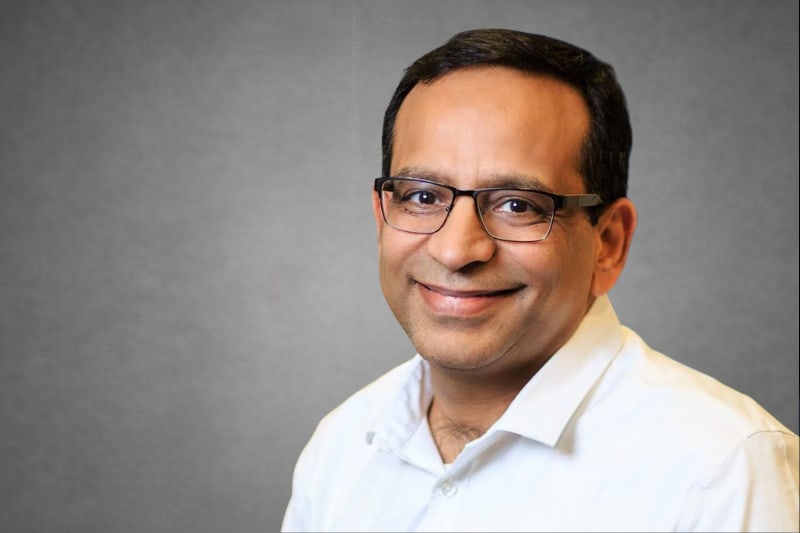
Vikram Chalana
Founder & CEO at Pictory
In this interview, Vikram Chalana, founder and CEO of Pictory, sits down with Vlad Kachur to explore the transformation of corporate knowledge into automated video…

Guillermo Rauch
Founder & CEO at Vercel
In this interview, Vercel founder and CEO Guillermo Rauch discusses recursive founder mode, scaling product portfolio autonomy, and the transition toward agentic software factories. Rauch…

Jirka Bachel
Founder & CEO at Navigara
In this interview, Navigara CEO Jirka Bachel explains how his engineering analytics platform measures software developer performance and tracks the return on investment of AI…

Daniel Chait
Co-founder & CEO at Greenhouse Software
In this interview, Greenhouse Software co-founder and CEO Daniel Chait discusses how artificial intelligence is reshaping the recruiting landscape. Chait outlines the mechanics of the…

Soham Chokshi
Co-Founder & CEO at Shipsy
In this interview, Shipsy co-founder and CEO Soham Chokshi discusses the transition of global supply chains from just-in-time to resilience amidst geopolitical disruptions and rising…