
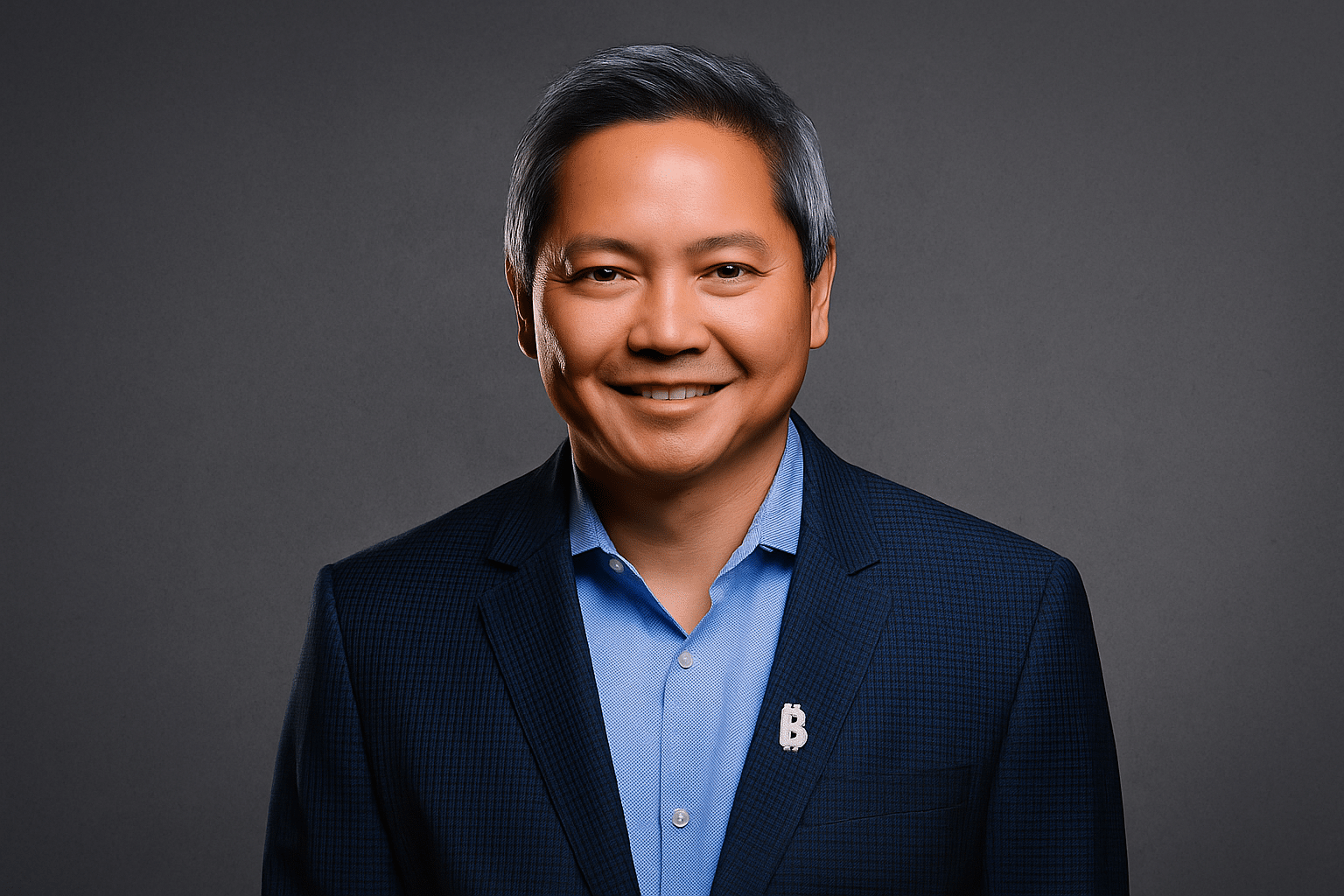
Phong LeePresident & CEO
In this interview, Phong Lee discusses Strategy’s approach to combining a Bitcoin-focused capital strategy with a mature enterprise analytics business. He shares insights on customer-first product development, scaling with patience, and using innovative capital market instruments to expand investor participation. The conversation highlights long-term value creation, the role of Bitcoin in corporate strategy, advancements in business intelligence and AI, and how disciplined execution and strong culture drive sustainable growth.
Founder Stats
- Technology, SaaS, AI, Finance, Cryptocurrency
- Started 2020
- $1M+/mo
- 50+ team
- USA
About Phong Lee
Phong Lee is the President and CEO of Strategy. Since joining the company, he has helped guide its evolution as a leader in enterprise analytics while supporting its pioneering Bitcoin treasury strategy. Under his leadership, Strategy has continued to innovate across business intelligence, AI-powered analytics, and capital markets initiatives. Lee is known for his customer-centric approach, focus on operational excellence, and commitment to building long-term value through disciplined execution and innovation.
Interview
November 05, 2025
Why do Strategy’s preferreds appeal to both young and older investors?
Different people want different return and risk. If you strap public securities to Bitcoin they tend to perform better. Equity has higher return and volatility. Debt and hybrids have lower return and volatility. Preferreds sit in the middle, so they fit many profiles from Robinhood millennials to retirees who want income.
What problem do preferreds solve for a 20-something saver?
What did Robinhood’s listing of the preferreds tell you?
How big can preferreds get and what timeline do you imagine?
Do preferreds compete with the common stock?
How did issuing Stretch affect the capital stack?
What management lesson did you learn from the 2020 Bitcoin pivot?
Did you expect the cultural wave merch, sneakers, orange phones?
How do the software business and Bitcoin business help each other?
What is Strategy’s BI track record in simple terms?
Where does BI go next with AI in the loop?
What operating principle keeps a global team shipping fast?
How do you win trust with larger customers?
How do you think about growth in 2030 without quoting dollars?
What marks the next wave of Bitcoin adoption?
Price targets or milestones what should people focus on?
Table Of Questions
Video Interviews with Phong Lee
The Next Trillion Dollar Company | Phong Le Interview

The Next Trillion Dollar Company | Phong Le Interview

Bitcoin Treasury mNAV Explained by MSTR CEO Phong Le

Strategy CEO Phong Le: MIT Bitcoin Expo 2025 Keynote Speech
Cite This Interview
Use this interview in your research, article, or academic work
Related Interviews

Naveen Rao
VP of Generative AI & Former CEO of MosaicML at Databricks
In this interview, Naveen Rao, VP of Generative AI at Databricks and former CEO of MosaicML, analyzes the explosive economics of artificial intelligence inference and…

Rahul Vohra
Founder & CEO at Superhuman
In this interview, Rahul Vohra, Founder and CEO of Superhuman, explores why superficial AI integrations fail to retain software users and outlines frameworks for embedding…

Sam Altman
Co-founder & CEO at OpenAI
In this interview, Sam Altman, Co-Founder and CEO of OpenAI, explores the practical trajectory toward artificial general intelligence and the imperative of human agency in…

Mike Cannon-Brookes
Co-Founder & CEO at Atlassian
In this interview, Mike Cannon-Brookes, Co-Founder and CEO of Atlassian, discusses the practical integration of autonomous AI agents across modern enterprise collaborative workflows. He examines…

Jensen Huang
Co-founder & CEO at NVIDIA
In this interview, Jensen Huang, Founder, President and CEO of NVIDIA, addresses prevailing existential narratives surrounding artificial intelligence and outlines Europe's sovereign computing opportunities. He…

Aneel Bhusri
Co-Founder & CEO at Workday
In this interview, Aneel Bhusri, Co-Founder and CEO of Workday, unpacks the seismic impact of enterprise AI agents on global corporate labor and organizational architecture.…