

Jean-Charles GaudechonCEO
In this interview, Remedy Entertainment CEO Jean-Charles Gaudechon discusses the future of the studio, the importance of protecting Remedy's creative identity, and the opportunities ahead through self-publishing. He shares lessons from FBC: Firebreak, explains why Remedy should double down on its narrative-driven strengths, and outlines his vision for turning acclaimed games like Alan Wake and Control into larger global franchises.

Founder Stats
- Technology
- Started 1995
- 4.6M - $5.8M USD/mo
- 350+ team
- Espoo, Finland
About Jean-Charles Gaudechon
Jean-Charles Gaudechon is the CEO of Remedy Entertainment, the Finnish studio behind Alan Wake, Control, and Max Payne. With nearly two decades of experience across game development, production, live services, and publishing, he is leading Remedy's next phase of growth as it expands its self-publishing efforts and franchise strategy.
Interview
June 15, 2026
What attracted you to Remedy Entertainment?
Remedy is a unique studio with a strong creative identity. I joined because I believe in what the company stands for and the incredible talent behind its games. My goal is not to change Remedy's DNA but to help it grow, improve, and reach a much larger audience while protecting what makes it special.
Some fans worried about your background in live services and mobile games. How do you respond to those concerns?
I completely understand the concerns. People love Remedy and want it protected. What attracted me to the company is exactly what fans value: its creativity, storytelling, and unique voice. I was not hired to turn Remedy into something else. I was hired to help strengthen what already makes it successful.
What do you believe you can bring to Remedy as CEO?
Why do you believe Remedy's franchises have more potential than they have achieved so far?
What does "building lasting value" mean for Remedy?
Why is self-publishing such an important step for the company?
How can self-publishing improve the success of Remedy's games?
What lessons did Remedy learn from FBC: Firebreak?
It reinforced how important it is to understand the challenges of new genres. Building multiplayer and live-service experiences requires different skills, processes, and expertise. There were many valuable lessons from development, publishing, community management, and product positioning that will help us moving forward.
How do you decide what opportunities Remedy should avoid?
Why is maintaining Remedy's creative identity so important?
How do you think about global expansion?
What role does cross-media play in Remedy's future?
What is your view on AI in game development?
Why do you believe Alan Wake and Control should have sold more copies?
What is the biggest opportunity for Remedy over the next few years?
What leadership advice would you give to people working in games today?
Table Of Questions
Video Interviews with Jean-Charles Gaudechon
Exclusive interview with Remedy’s new CEO: “Alan Wake and Control should have sold more"

Exclusive interview with Remedy’s new CEO: “Alan Wake and Control should have sold more"
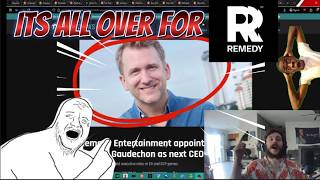
Remedy Entertainment has FALLEN TO THE DARK SIDE
Cite This Interview
Use this interview in your research, article, or academic work
Related Interviews
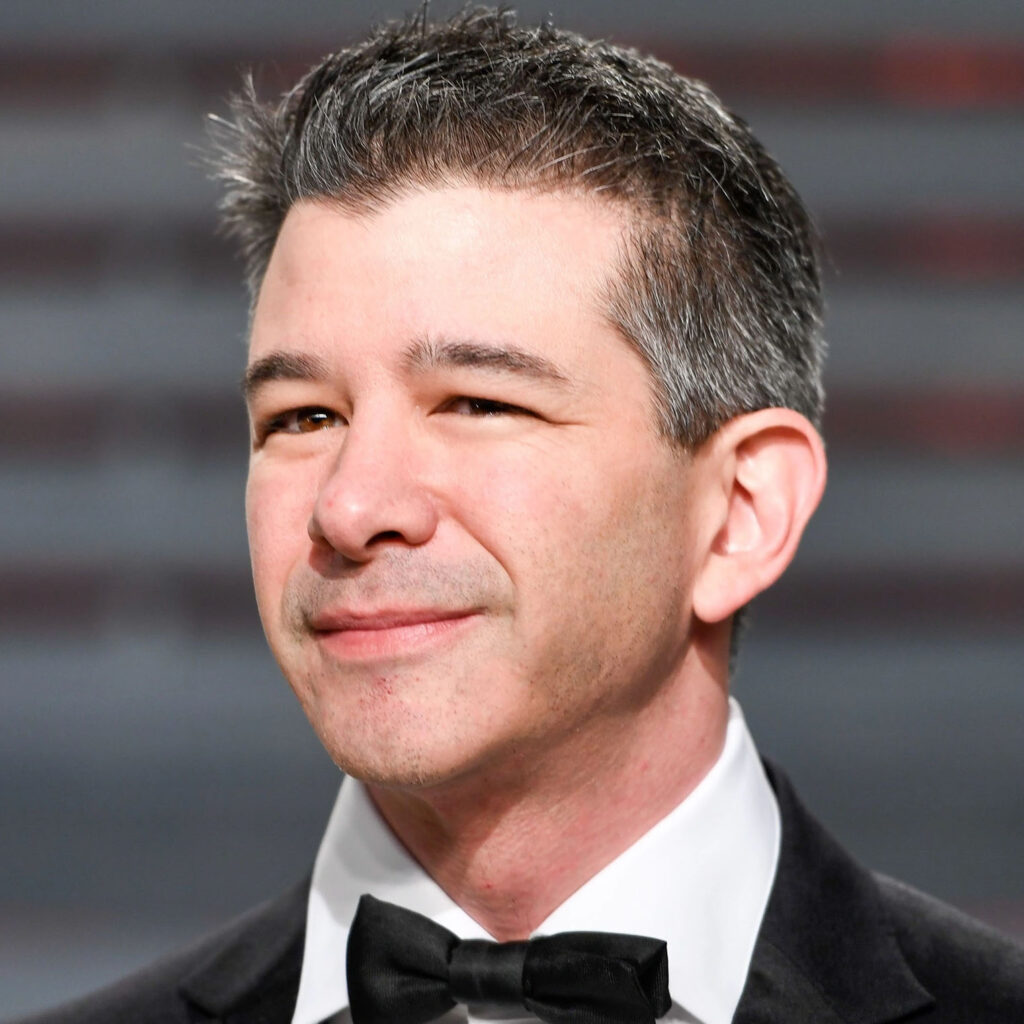
Travis Kalanick
Founder & CEO at Atoms
In this interview, Atoms founder and CEO Travis Kalanick shares his vision for automating the physical world through industrial robotics and AI. Kalanick reflects on…
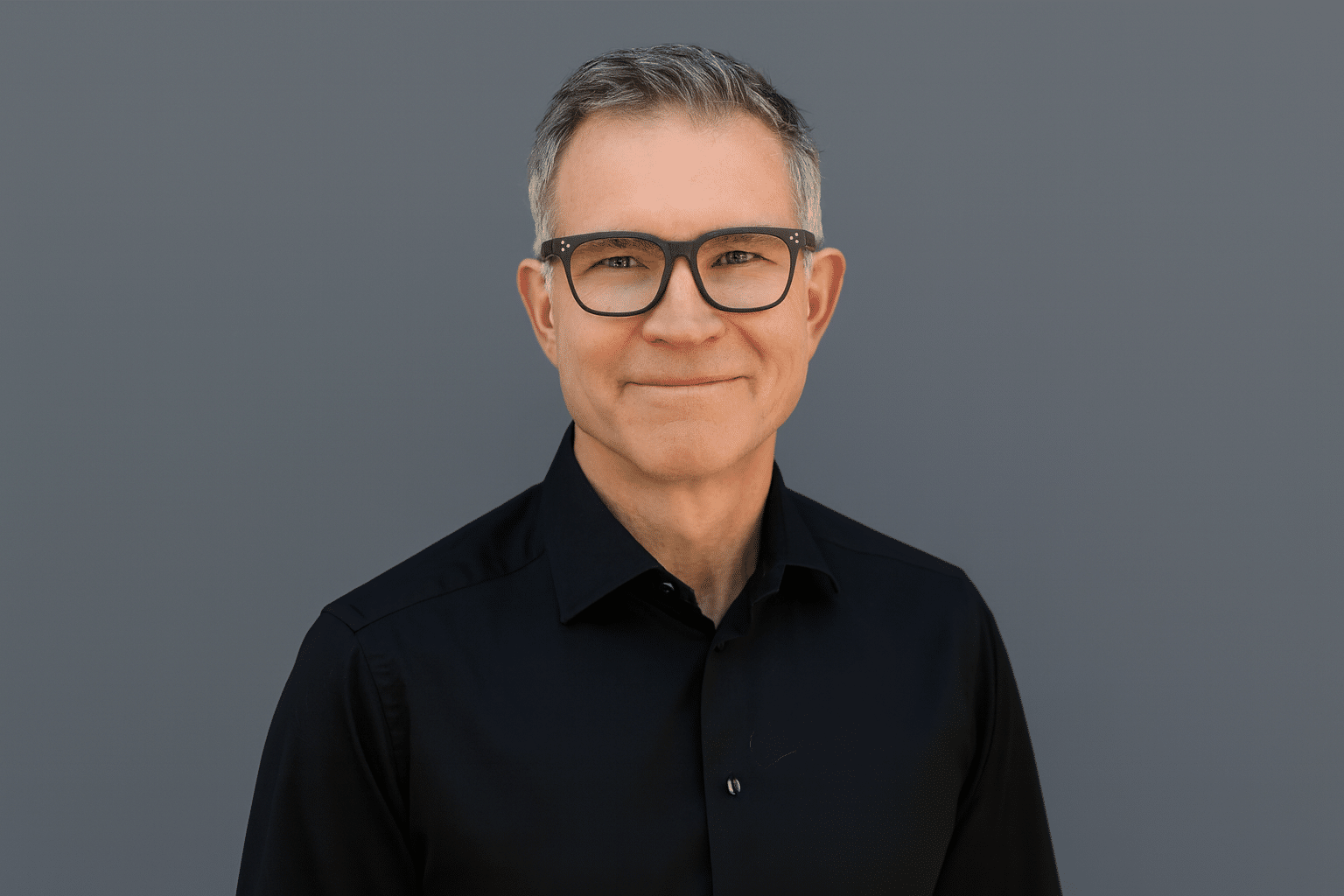
David Baszucki
Founder & CEO at Roblox
In this interview, Roblox co-founder and CEO David Baszucki discusses the platform's evolution into a major digital human co-experience platform. Baszucki outlines the value of…

Garry Tan
President & CEO at Y Combinator
In this interview, Y Combinator President and CEO Garry Tan outlines the new paradigms of software development driven by vibe coding and AI agents. Tan…

Ted Sarandos
Co-CEO at Netflix
In this interview, Netflix Co-CEO Ted Sarandos discusses the platform's ten-year journey in India and its global expansion strategy. Sarandos explains how Netflix matches content…
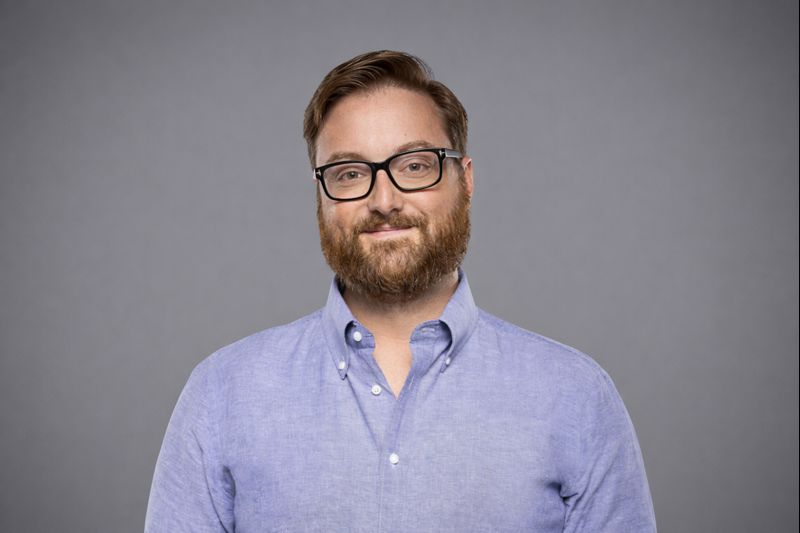
Brian Schimpf
Co-founder & CEO at Anduril Industries
In this interview, Anduril Industries co-founder and CEO Brian Schimpf discusses the shift in modern warfare toward AI-powered, software-first defense technologies. Schimpf shares the origin…

Amanda McMaster
Interim CEO at Boston Dynamics
In this interview, Boston Dynamics interim CEO Amanda McMaster explains the commercial transition of the pioneer robotics firm from research laboratory to industrial deployer. McMaster…