
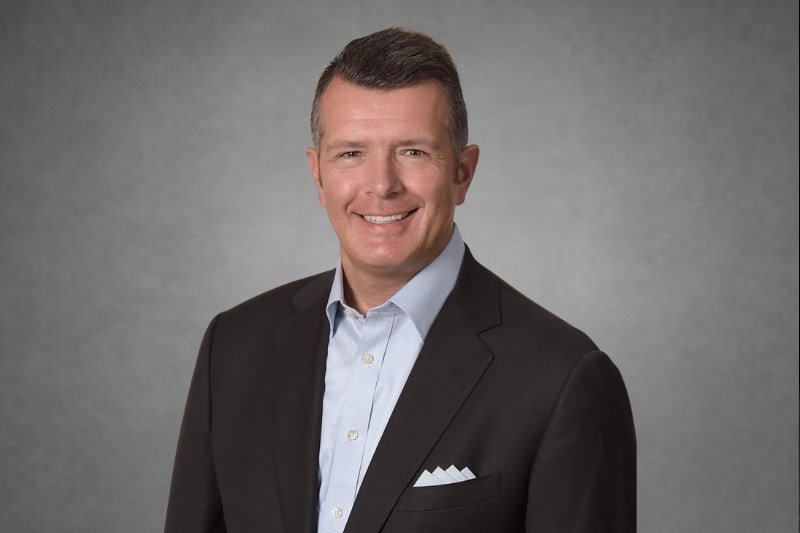
Luke SarsfieldChairman & CEO
In this interview, Ridgewood Capital CEO Luke Sarsfield explains how alignment drives long-term success in asset management. Drawing on more than two decades at Goldman Sachs, he discusses incentives, leadership, culture, compounding, GP stakes, manager selection, and why putting clients first creates sustainable value for investors, employees, and shareholders alike.
Luke Sarsfield
Chairman & CEO

Ridgewood Capital
Founder Stats
- Technology
- Started 2002
- /mo
- 200+ team
- New York, USA
About Luke Sarsfield
Luke Sarsfield is the Chairman and CEO of Ridgewood Capital and formerly served as Global Co-Head of Asset Management at Goldman Sachs. With more than 23 years at Goldman Sachs before joining Ridgewood, he now focuses on building aligned partnerships with specialized asset managers while helping investors access differentiated opportunities across private markets.
Interview
June 17, 2026
What problem is Ridgewood Capital trying to solve in asset management?
One of the biggest challenges in asset management is maintaining investment performance as firms grow larger. Our model is designed around alignment. We collect management fee revenue while allowing managers to keep most of their carried interest. This ensures they remain focused on generating strong returns for investors rather than simply gathering more assets.
Why is alignment so important in investing?
Alignment creates trust. When investment managers only succeed if their clients succeed, everyone is working toward the same outcome. Limited partners want managers who are focused on generating strong returns, and carried interest helps create that direct connection between performance and compensation.
How does your model encourage better investment decisions?
Why are investors increasingly interested in middle-market opportunities?
Many investors have portfolios concentrated in large managers that often own similar assets. The middle market offers greater diversification and potentially stronger return profiles. The challenge is that it is more complex and requires specialized expertise, which is where experienced managers can create significant value.
What makes a great asset manager stand out over time?
How do you think about long-term success?
Why do so many businesses struggle with short-term thinking?
Many systems reward short-term outcomes. Public companies report quarterly results, employees focus on annual reviews, and incentives often emphasize immediate performance. The challenge is creating structures that encourage people to think beyond the next quarter and focus on long-term value creation.
As a public company CEO, how do you balance quarterly results with long-term goals?
What role does culture play in building a successful organization?
How do you define your company's values?
What qualities do you look for when evaluating asset managers?
Why is generational transition difficult in asset management?
How do you approach leadership as organizations grow?
Table Of Questions
Cite This Interview
Use this interview in your research, article, or academic work
Related Interviews
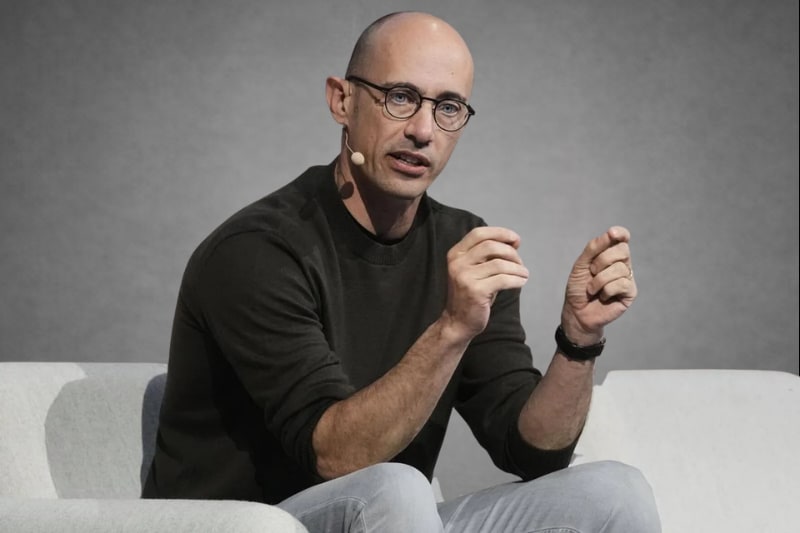
Tobi Lütke
Founder & CEO at Shopify
In this interview, Tobi Lütke, founder and CEO of Shopify, shares how AI agents and a company-wide culture shift are reshaping the future of work.…

Larry Ellison
Co-Founder, Executive Chairman & CTO at Oracle
In this interview, Oracle co-founder, executive chairman, and CTO Larry Ellison explores his five-decade journey building one of the world's most formidable enterprise software giants.…
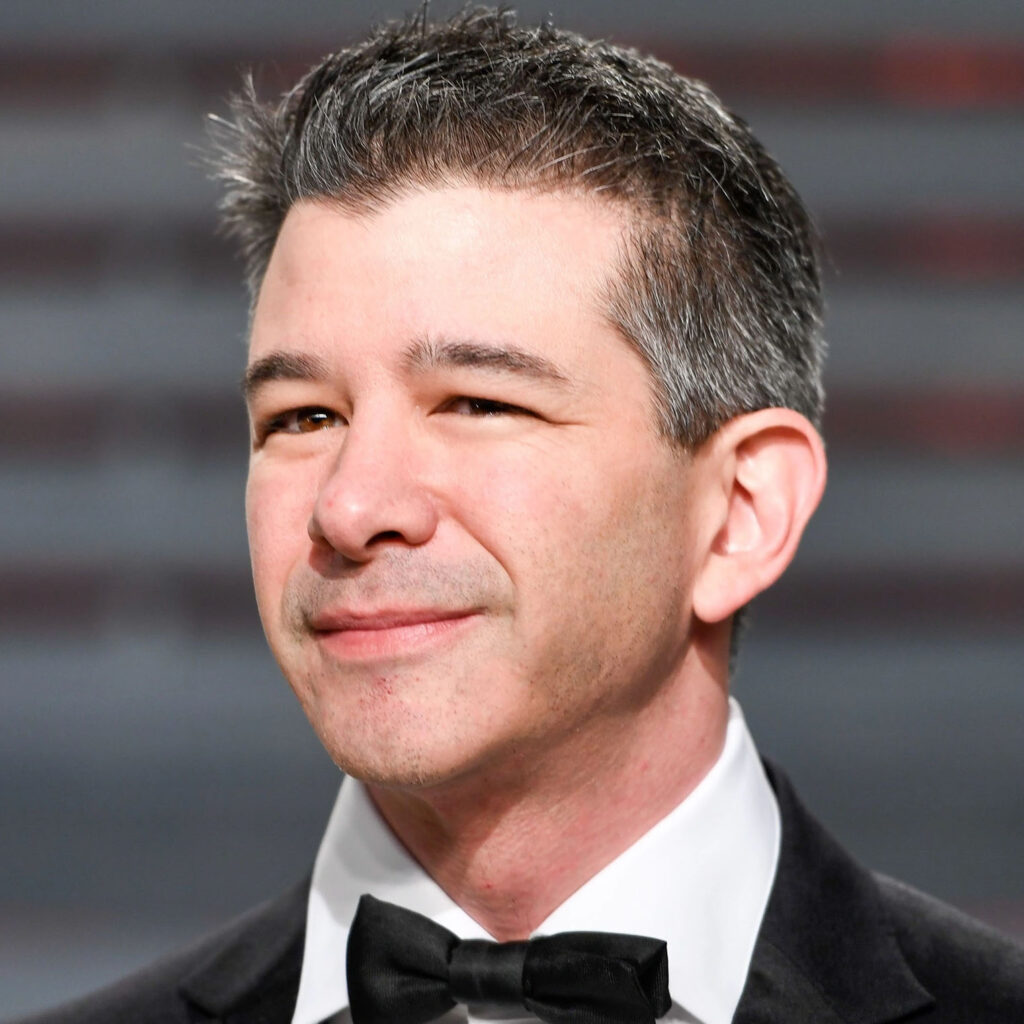
Travis Kalanick
Founder & CEO at Atoms
In this interview, Atoms founder and CEO Travis Kalanick shares his vision for automating the physical world through industrial robotics and AI. Kalanick reflects on…
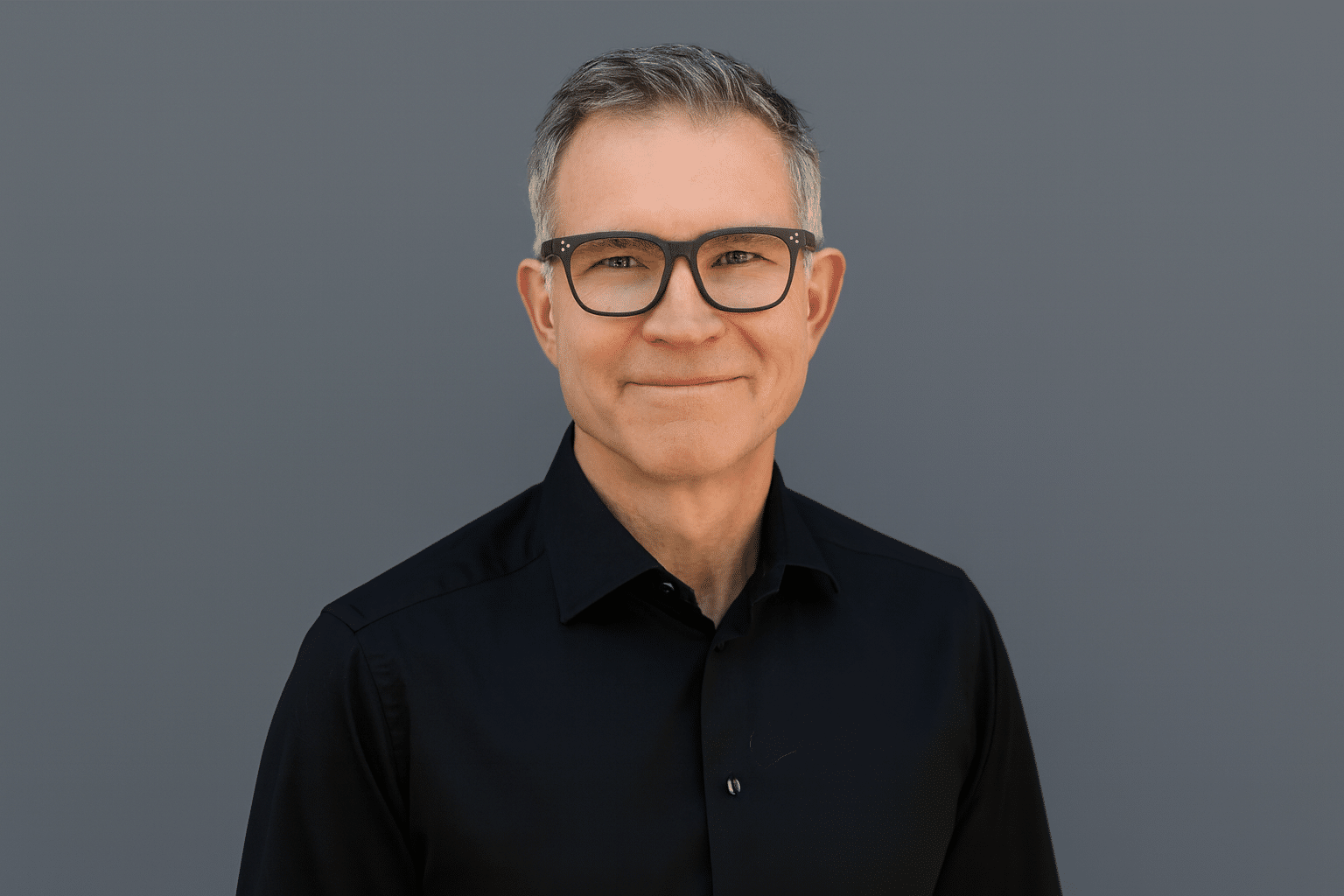
David Baszucki
Founder & CEO at Roblox
In this interview, Roblox co-founder and CEO David Baszucki discusses the platform's evolution into a major digital human co-experience platform. Baszucki outlines the value of…

Garry Tan
President & CEO at Y Combinator
In this interview, Y Combinator President and CEO Garry Tan outlines the new paradigms of software development driven by vibe coding and AI agents. Tan…

Ted Sarandos
Co-CEO at Netflix
In this interview, Netflix Co-CEO Ted Sarandos discusses the platform's ten-year journey in India and its global expansion strategy. Sarandos explains how Netflix matches content…