
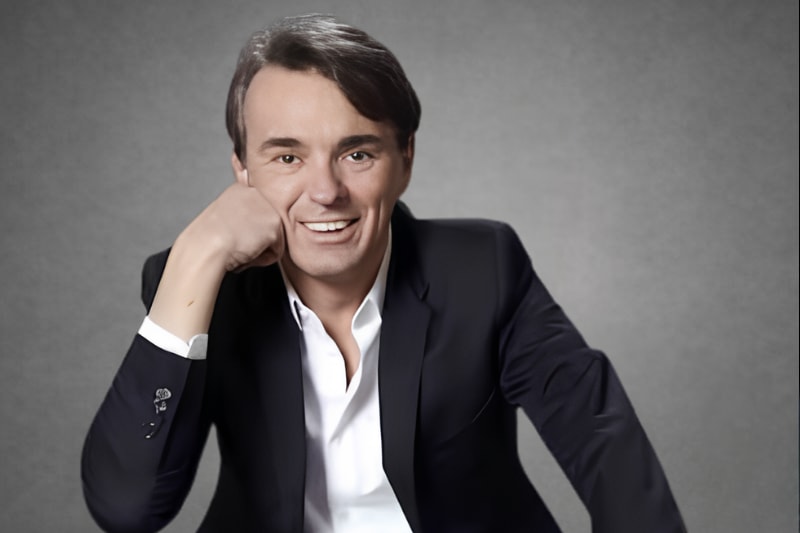
Marco PalmieriFounder, Chairman & CEOIndustrializing Italian leathercraft and revitalizing heritage luxury brands
In this interview, Marco Palmieri, Founder and Chief Executive Officer of Piquadro, traces his entrepreneurial trajectory from selling handmade leather bags from his car trunk in 1987 to establishing a listed luxury conglomerate generating 198 million USD annually. He outlines the strategic fusion of traditional Italian craftsmanship with functional technology, negotiating high-stakes acquisitions of heritage European houses including The Bridge and Lancel, and navigating banking crises. Palmieri shares enduring lessons on manufacturing autonomy, operational resilience, and revitalizing rural manufacturing communities.


Founder Stats
- Retail
- Started 1987
- $16.5M/mo
- 1,100+ employees
- Silla di Gaggio Montano, Bologna, Italy
About Marco Palmieri
Marco Palmieri is the Founder, Chairman, and Chief Executive Officer of Piquadro Group, a global luxury leather goods powerhouse listed on Euronext Milan. Beginning his career with technical studies in electronic engineering, he founded Piquadro in 1987, pioneering tech-infused business travel goods. Palmieri expanded the group through major international acquisitions of heritage brands The Bridge and Lancel. In 2018, he was honored with the Italian title Cavaliere del Lavoro for outstanding industrial leadership.
Interview
November 06, 2026
What inspired you to start manufacturing your own leather goods rather than working as a distributor?
When I obtained my driver license at eighteen, I began selling finished leather goods out of the trunk of my car. I quickly realized that relying on external suppliers created severe quality bottlenecks and limited innovation. My partner and I signed promissory notes to buy used cutting and sewing machinery, installing them in our apartment to control our destiny.
How did you pioneer the fusion of professional technology compartments into traditional Italian leather bags?
In the late 1990s, early mobile phones and heavy portable computers began appearing in corporate offices. Traditional briefcases offered zero padding, meaning expensive electronics suffered constant internal impacts when bags were set down. I designed structured leather bags with shock-absorbing neoprene compartments, ergonomic organizational pockets, and distinctive blue-painted edges that solved functional problems while preserving Italian aesthetic elegance.
What major operational challenge did you encounter when launching your direct consumer brand Piquadro?
Transitioning from private label manufacturing for prestigious fashion houses to marketing our own brand required enormous capital and brand repositioning. We attended international trade shows with zero attendees visiting our booth on opening days. Success required relentless persistence, educating retailer networks on functional design, and convincing high-end department stores that technical business bags represented a high-margin luxury category.
How did you navigate the banking pressures and personal liabilities of borrowing thirty million euros to scale?
Securing expansion financing in the early years was exceptionally brutal. Bankers routinely questioned our financial projections and doubted that a young founder from the mountains could scale globally. I endured intense personal debt and financial exposure. The secret was matching every euro of borrowed capital with rigorous production discipline, rapid inventory turnover, and verifiable retail demand.
Why did you decide to take Piquadro public on the Milan Stock Exchange right before the 2008 financial crisis?
We prepared our initial public offering in late 2007 to institutionalize corporate governance and provide private equity investors an orderly liquidity event. Just months later, global financial markets collapsed into recession. Had we delayed, public listing would have been impossible for years. Going public established permanent fiscal discipline and created transparent equity currency for future acquisitions.
What strategic turnaround framework did you execute after acquiring the historic French luxury house Lancel?
Lancel was losing dozens of millions annually when we acquired it from Richemont in 2018. We immediately simplified internal hierarchies, revived iconic archive designs with modern leather materials, and modernized Parisian retail stores. By applying Italian manufacturing efficiencies while honoring distinct French cultural heritage, we restored operational profitability within three years without sacrificing the brand identity.
How did you successfully integrate the heritage Tuscan brand The Bridge into your corporate portfolio?
The Bridge possessed extraordinary craftsmanship and eighty percent customer brand loyalty concentrated in vegetable-tanned leather goods. However, managerial inertia had stalled international growth. We preserved the authentic Tuscan factory operations and classic artisanal tanning methods, while connecting the brand to Piquadro centralized international logistics, modern e-commerce infrastructure, and global retail distribution channels.
What criteria guide your leadership approach when executing acquisitions of troubled heritage brands?
Never purchase an empty balance sheet or a synthetic marketing concept. We seek brands with authentic history, exceptional artisanal DNA, and loyal multi-generational customers that suffer solely from operational mismanagement. If the craftsmanship and emotional connection exist, management can repair broken supply chains, streamline retail overhead, and restore sustainable operating margins through disciplined leadership.
How do you protect production agility while managing manufacturing operations across Italy and Asia?
We maintain centralized engineering, prototyping, and material testing at our Italian headquarters in Bologna. Premium collections are crafted locally, while high-volume technical components utilize certified manufacturing partners abroad under strict quality oversight. Owning our technical designs and conducting rigorous chemical and stress testing ensures consistent durability regardless of manufacturing facility location.
Why did you invest substantial corporate capital into reviving the Corno alle Scale mountain resort?
Our global headquarters is rooted in Silla di Gaggio Montano in the Tuscan-Emilian Apennines. When the local mountain ski lifts faced permanent closure, the entire regional valley risked economic depopulation. Investing to revitalize the resort created over one hundred seasonal jobs and stabilized the local economy. An enterprise must protect the community that nurtures its workforce.
What management philosophy has kept your executive team cohesive across four decades of expansion?
I believe in direct, transparent communication and extreme proximity to operational reality. Leaders should never manage exclusively from spreadsheet reports in isolated boardrooms. I walk the factory floor, touch leathers, and inspect prototype seams personally. When executives demonstrate genuine passion for the physical product, employees at every level mirror that pride and commitment to excellence.
What core advice would you give to young entrepreneurs launching physical consumer product companies today?
Focus relentlessly on functional utility and product durability before spending money on marketing hype. A product that genuinely solves an everyday human frustration creates its own organic velocity. Do not fear difficult manual work or early manufacturing errors. Master your supply chain, protect your cash flow carefully, and build long-term relationships with customers based on trust.
Table Of Questions
Video Interviews with Marco Palmieri
L’Italiano che fa €180 MILIONI con gli Zaini e si è Comprato una MONTAGNA - Marco Palmieri, Piquadro

L’Italiano che fa €180 MILIONI con gli Zaini e si è Comprato una MONTAGNA - Marco Palmieri, Piquadro
Piquadro - IFA Berlin 2026 - NOW
Materia by Piquadro - The New Made in Italy Leather Collection – Trust the Craft
Cite This Interview
Use this interview in your research, article, or academic work
Related Interviews
Ronnie Fieg
Founder, CEO & Creative Director at Kith
In this interview, Ronnie Fieg, founder, CEO, and creative director of Kith, opens up 15 years of his brand's archive and shares stories he has…
Jake Karls
Co-founder & Chief Rainmaker at Mid-Day Squares
In this interview, Mid-Day Squares co-founder and Chief Rainmaker Jake Karls describes the unconventional journey of building a disruptive snack brand. Karls shares insights on…

Matt Ebert
Founder & CEO at Crash Champions
In this interview, Crash Champions founder and CEO Matt Ebert discusses the growing demand for skilled trades and the automotive technician shortage facing the collision…

Allison Ellsworth
Co-founder at Poppi
In this interview, Poppi co-founder Allison Ellsworth shares the journey of building a prebiotic soda brand from a kitchen counter experiment to a 1.95 billion…

Dave Mondragon
Founder & CEO at AutoTrust Dealer Alliance
In this interview, AutoTrust founder and CEO Dave Mondragon explains how independent automotive dealers can compete with large public dealer groups through collective purchasing power…

Paul Guyett
Managing Director at Leffler Leather
In this interview, Paul Guyett discusses how Leffler Leather has remained successful across generations by focusing on quality, expertise, and continuous adaptation. He shares lessons…