

Jake KarlsCo-founder & Chief Rainmaker
In this interview, Mid-Day Squares co-founder and Chief Rainmaker Jake Karls describes the unconventional journey of building a disruptive snack brand. Karls shares insights on defining the Rainmaker role, transitioning away from weak management positions, and using weekly mediated therapy to preserve family partnerships. He also details the operational decisions to build custom manufacturing, the strategies for retail placement in Walmart and Costco, and the lessons learned from managing burnout and raw material price shocks.

Founder Stats
- Retail
- Started 2018
- Approx. 3.16 Million USD/mo
- 70+ team
- Montreal, Quebec, Canada
About Jake Karls
Jake Karls is the co-founder and Chief Rainmaker of Mid-Day Squares, an innovative better-for-you chocolate and snacking brand. Founded in 2018 alongside his sister and brother-in-law, the Montreal-based company has expanded from a condo kitchen to a massive automated manufacturing facility. Known for his high-energy personality and raw, unfiltered storytelling, Karls drives brand growth and investor relations by leveraging radical transparency and building authentic, human-first connections across the consumer packaged goods industry.
Interview
August 25, 2026
How would you define the role of a Chief Rainmaker in a business?
Why did you step down as the Chief Marketing Officer after only eight months?
How does corporate culture limit an organization's creative potential?
Corporate culture is often too buttoned up, bureaucratic, and political. People wear masks to protect themselves because they feel they have too much to lose. When employees access their genuine human capabilities instead of hiding behind a corporate facade, they generate true magic and drive organizational greatness.
What did your career journey look like before joining Midday Squares?
After university, I tried to become an investment banker but failed to get a job. My parents told me I could not sit on the couch, so I started training people in their driveway, which grew into a successful outdoor boot camp. Later, I ran a college campus event and clothing business that went bankrupt.
How did you build your first successful outdoor fitness boot camp?
Why did you choose to join your sister and brother-in-law's startup?
What makes you a terrible corporate operator and manager?
How does focusing on your strengths rather than fixing weaknesses drive success?
If you spend your career trying to improve your weaknesses, you will run dry and fail to progress. When you focus entirely on your unique strengths, you excel because you are offering the world your best asset. Combining different individual strengths creates a collaborative outcome greater than the sum of its parts.
What physical and mental crisis led to your severe burnout three years ago?
I was working nineteen-hour days, ignoring my body's warning signs, and chasing constant growth. While playing hockey, I injured my back and suffered intense shooting pains. Because I could not travel, I experienced an identity crisis, which triggered severe obsessive-compulsive disorders and blurred vision.
How did you recover from your neurological symptoms and OCD during your sabbatical?
Why do you believe that rest is a critical superpower for entrepreneurs?
How does public visibility on social media affect your personal life?
My LinkedIn posts generate hundreds of thousands of views, meaning strangers recognize me in coffee shops and planes to ask about the business. It is vital to protect your personal time and discuss non-business topics like sports or reading with the people you love to avoid being consumed by the brand.
Why did your sibling partnership commit to mandatory therapy every week?
We signed a contract to attend therapy together every week. Sibling partnerships carry childhood competitiveness and family dynamics that can destroy a business. Therapy provides a mediated, safe space to address alignment, money, and pressure, preventing partnership conflicts that typically ruin startups.
How did you navigate the discomfort of couples therapy with your sister and brother-in-law?
At first, it was painful because I received constructive criticism about my management failures, which made me feel insecure. Over eight years, we learned to communicate constructively without fighting. Even when my sister and brother-in-law faced marital challenges, we addressed it because family dynamics impact the business.
How did you get Midday Squares products listed in major retailers like Costco?
Why did you decide to build your own manufacturing plant rather than outsourcing?
We visited over twenty co-manufacturers, and they all stated our textured kitchen recipe was too difficult to replicate at scale. Building our own plant required raising millions in venture capital and government debt, but vertical integration gives us complete control over innovation and yields much stronger gross margins.
How did you handle the sudden cocoa price shock that threatened the business?
What advice do you have for executives who want to build authentic brands?
Executives should encourage their teams to share their personal stories on social media. We crave authenticity, and consumers connect with humans, not polished corporate logos. When your team shows up as their kind, authentic selves, they build deep trust and turn customers into passionate fans of your brand.
Table Of Questions
Video Interviews with Jake Karls
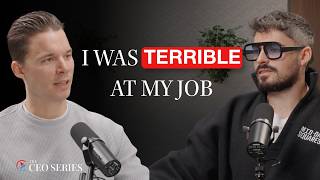
Mid-Day Squares Co-Founder Jake Karls on How They Built a $38 Million Brand by Being Themselves
Mid-Day Squares Co-Founder Jake Karls on How They Built a $38 Million Brand by Being Themselves

Jake Karls: This Is How You Build an 8 Figure Brand Online In 2026
Cite This Interview
Use this interview in your research, article, or academic work
Related Interviews
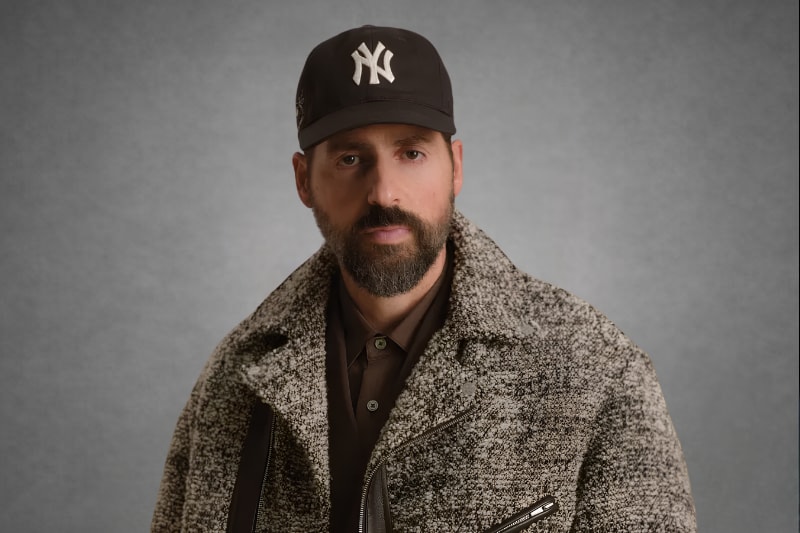
Ronnie Fieg
Founder, CEO & Creative Director at Kith
In this interview, Ronnie Fieg, founder, CEO, and creative director of Kith, opens up 15 years of his brand's archive and shares stories he has…

Matt Ebert
Founder & CEO at Crash Champions
In this interview, Crash Champions founder and CEO Matt Ebert discusses the growing demand for skilled trades and the automotive technician shortage facing the collision…

Allison Ellsworth
Co-founder at Poppi
In this interview, Poppi co-founder Allison Ellsworth shares the journey of building a prebiotic soda brand from a kitchen counter experiment to a 1.95 billion…

Dave Mondragon
Founder & CEO at AutoTrust Dealer Alliance
In this interview, AutoTrust founder and CEO Dave Mondragon explains how independent automotive dealers can compete with large public dealer groups through collective purchasing power…
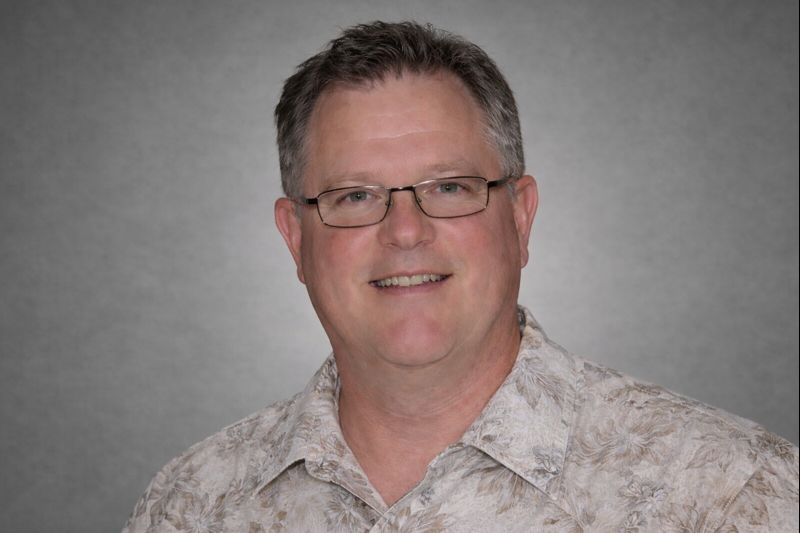
Paul Guyett
Managing Director at Leffler Leather
In this interview, Paul Guyett discusses how Leffler Leather has remained successful across generations by focusing on quality, expertise, and continuous adaptation. He shares lessons…

Sravanth Aluru
Co-Founder & CEO at Avataar
In this interview, Sravanth Aluru breaks down the architectural shift toward AI-native enterprises, arguing that organizations must deploy a central intelligence layer rather than relying…