

Allison EllsworthCo-founder
In this interview, Poppi co-founder Allison Ellsworth shares the journey of building a prebiotic soda brand from a kitchen counter experiment to a 1.95 billion USD acquisition by PepsiCo. Ellsworth discusses the dynamics of the modern soda wars, the execution of influencer equity deals, and the creation of a viral digital marketing strategy. She details early financial hardships, explains how fun fuels corporate culture, and reflects on the emotional transition of exiting her startup.

Founder Stats
- Retail
- Started 2015
- Approx. $42 Million/mo
- 250+ team
- Austin, Texas, United States
About Allison Ellsworth
Allison Ellsworth is the co-founder and Chief Brand Officer of Poppi, a leading prebiotic soda company. Formerly a researcher in the oil and gas industry, Ellsworth transitioned to entrepreneurship in 2015, formulating the gut-health beverage in her kitchen. Through viral TikTok campaigns, strategic partnerships with influencers like Alex Earle, and an appearance on Shark Tank, she scaled the startup before its landmark acquisition by PepsiCo for 1.95 billion USD.
Interview
July 27, 2026
Did your childhood environment play a role in fostering your entrepreneurial drive?
Yes, my grandfather, father, and sister were all entrepreneurs, so it ran in the family. While my parents divorced and I was raised by a single mother working minimum wage, I was always told that I could accomplish anything I set my mind to. Additionally, dancing five days a week built my confidence on stage.
What inspired you to begin formulating a prebiotic beverage in your kitchen?
I spent seven years visiting doctors for bloating, severe acne, and chronic inflammation, only to be told I had typical girl problems. I researched gut health online and discovered apple cider vinegar. By cutting gluten and drinking vinegar, I cured my issues and wanted to create a gut-health tonic that actually tasted great.
What did you learn from the farmers market feedback loops for early flavor testing?
Our first recipe was way too strong, containing three tablespoons of apple cider vinegar, which caused digestive issues. Customers at the farmers market asked if they had to drink the entire jar, signaling it was too powerful. We also learned to stop complicating flavors, shifting from orange cinnamon to simple orange soda.
How did your experience in the oil and gas industry help prepare you for entrepreneurship?
Working in oil and gas required me to travel and manage multi-million dollar projects independently without a boss on site. I had to negotiate directly with landowners and native reservations. This taught me the self-starter, self-reliant mentality that is critical for any entrepreneur building a business from scratch.
Why do you advise early-stage startup founders against opening their own manufacturing facilities?
Opening our own manufacturing plant was a massive capital drain that consumed our resources. Unless you have no other choice, startups should avoid manufacturing and use co-packers. While managing our facility taught us how to scale our liquid, spending all your early capital on manufacturing is a major mistake.
How did you manage the severe financial pressures and risks during the early years?
What led to the decision to increase the sugar content in your initial formulation?
I was highly focused on health and did not want to add sugar, which led to big fights with my husband. He secretly added cane sugar to our samples at Expo West to make them taste like real soda. The reception was so positive that I realized five grams of sugar was a healthy, mass-market compromise.
How did you handle the early skepticism from retailers who didn't know where to place Poppi?
We were doubted every step of the way. Grocery stores had no idea where to shelve us, constantly debating whether we belonged with sparkling water, functional beverages, or traditional soda. We faked it till we made it by maintaining strong conviction in our story, eventually running a Super Bowl ad to establish ourselves as soda.
How did the cancellation of Expo West due to COVID force Poppi to launch digitally?
When Expo West was canceled in March 2020, we had to throw away our launch playbook and focus entirely on Amazon, Instacart, Target, and Walmart websites. This digital marketing approach had no zip codes, allowing us to build rapid national brand awareness and establish top-performing stores in middle America from year one.
How did a viral TikTok video change the marketing strategy and growth of Poppi?
I posted a simple, authentic video sitting down and telling our founding story, which generated one hundred thousand dollars in Amazon sales in twenty-four hours. This success shifted our entire strategy toward paid and organic TikTok marketing, helping us grow our email and SMS subscriber list to a million in one year.
Why do you believe that embarrassment is an underexplored emotion for successful entrepreneurs?
To break through the noise, you must be willing to make a fool of yourself. Whether it is dancing on TikTok, standing at a farmers market pitching vinegar, or negotiating numbers you do not fully know, experiencing embarrassment is a natural byproduct of putting yourself out there to build a brand.
What is a black ops budget, and how do you use it to move at the speed of culture?
It is a pool of capital set aside to capitalize on sudden cultural trends and activations, like sponsoring get-ready-with-me videos for Coachella or sending drinks to celebrity parties. It allows you to invest in long-term brand awareness and relationships without demanding an immediate, tracked return on investment.
Why did Poppi choose to structure influencer partnerships with equity stakes?
We found that giving equity turned influencers into authentic owners who advocated for the brand. Our early advisory agreement with Olivia Munn showed us she would post about Poppi on vacation because she felt part of our journey. We structured a similar, highly successful deal with TikTok star Alex Earle.
Why did you decide to issue equity shares to every single employee at the company?
How did the rivalry between Poppi and Olipop accelerate the growth of the prebiotic category?
We created the modern soda wars, functioning much like Coke and Pepsi. Even though we sat on different shelves (Olipop in the cold set, Poppi on the shelf-stable set), our rivalry generated double the awareness for the prebiotic category, allowing us to collectively own ninety-eight percent of the market.
What was the strategic logic behind selling the company to PepsiCo for 1.95 billion USD?
How did you process the intense emotional transition and sense of loss after the exit?
Why do you believe that success does not require a serious corporate culture?
Table Of Questions
Video Interviews with Allison Ellsworth
Poppi to PepsiCo: Building a $2B soda brand the industry couldn't ignore
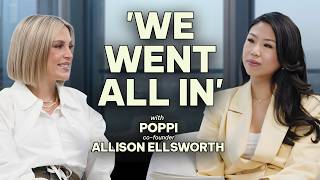
Poppi to PepsiCo: Building a $2B soda brand the industry couldn't ignore

COMING UP: Poppi co-founder Allison Ellsworth

Behind the $1.95B Exit: The Decisions You Don't See w/Allison Ellsworth
Cite This Interview
Use this interview in your research, article, or academic work
Related Interviews
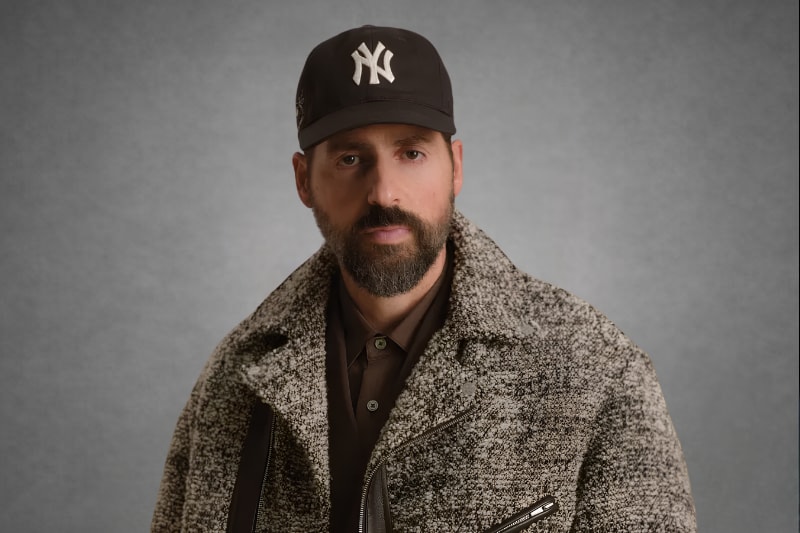
Ronnie Fieg
Founder, CEO & Creative Director at Kith
In this interview, Ronnie Fieg, founder, CEO, and creative director of Kith, opens up 15 years of his brand's archive and shares stories he has…
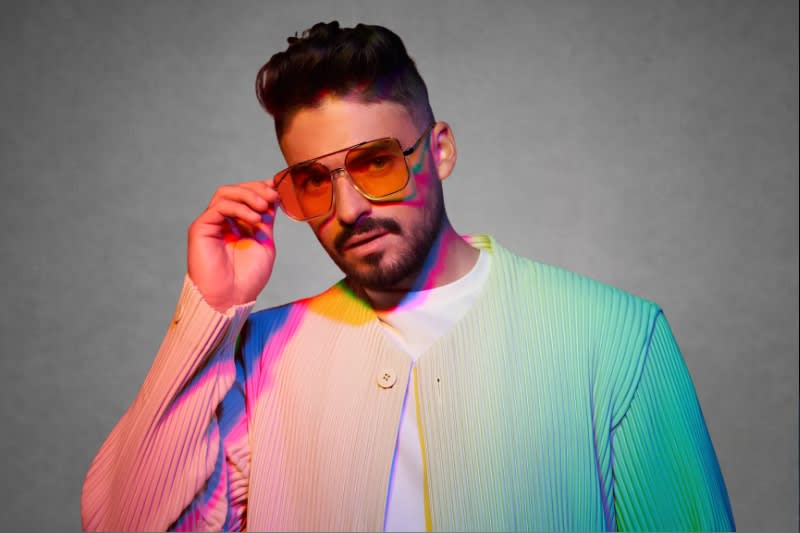
Jake Karls
Co-founder & Chief Rainmaker at Mid-Day Squares
In this interview, Mid-Day Squares co-founder and Chief Rainmaker Jake Karls describes the unconventional journey of building a disruptive snack brand. Karls shares insights on…

Matt Ebert
Founder & CEO at Crash Champions
In this interview, Crash Champions founder and CEO Matt Ebert discusses the growing demand for skilled trades and the automotive technician shortage facing the collision…

Dave Mondragon
Founder & CEO at AutoTrust Dealer Alliance
In this interview, AutoTrust founder and CEO Dave Mondragon explains how independent automotive dealers can compete with large public dealer groups through collective purchasing power…
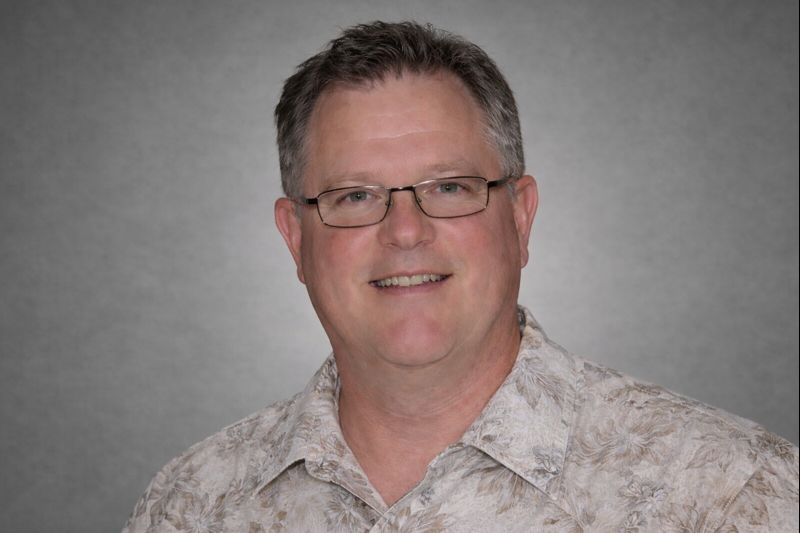
Paul Guyett
Managing Director at Leffler Leather
In this interview, Paul Guyett discusses how Leffler Leather has remained successful across generations by focusing on quality, expertise, and continuous adaptation. He shares lessons…

Naveen Rao
VP of Generative AI & Former CEO of MosaicML at Databricks
In this interview, Naveen Rao, VP of Generative AI at Databricks and former CEO of MosaicML, analyzes the explosive economics of artificial intelligence inference and…