
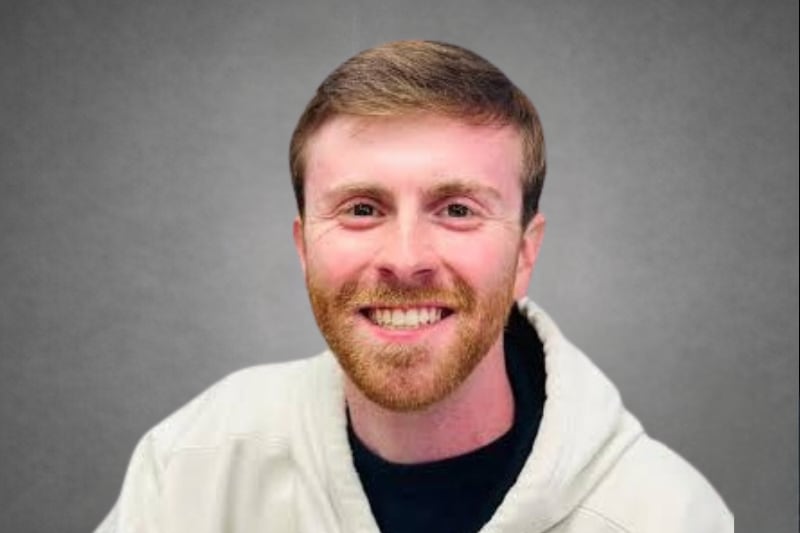
Patrick ElstonFounder & OwnerBuilding a 35K USD monthly artisan pizzeria from home popups to wood-fired brick
In this interview, Patrick Elston, Founder and Owner of Gus Franco's Pizza, shares how he turned a backyard wood-fired pizza hobby into a thriving artisan pizzeria generating thirty-five thousand USD per month. He discusses launching pop-up events from the back of his pickup truck with an imported Italian oven, mastering dough fermentation biochemistry, and managing fixed costs during brick-and-mortar expansion. Elston provides inspiring guidance on intentional operating hours, product scarcity, and building a generational culinary enterprise.

Founder Stats
- Retail
- Started 2016
- $35K/mo
- Under 10 employees
- Lower Burrell, Pennsylvania, USA
About Patrick Elston
Patrick Elston is the Founder and Owner of Gus Franco's Pizza, an acclaimed artisan wood-fired pizzeria located in Lower Burrell, Pennsylvania. Formerly a municipal career professional, he spent years perfecting traditional Neapolitan-American dough fermentation and wood-fired hearth baking techniques. After bootstrapping mobile popups out of his truck with a fifteen hundred dollar budget, Elston established Gus Franco's as a beloved regional food landmark generating over four hundred thousand USD annually.
Interview
November 20, 2026
What motivated you to leave a stable municipal career to build an artisan pizzeria from scratch?
I spent years working a secure government job with a stable pension, but I was deeply passionate about traditional food craft. Making wood-fired pizza for my family on weekends gradually consumed my thoughts. When friends and neighbors kept asking for pies, my wife and I decided to take a calculated leap and turn our weekend passion into a dedicated family business.
How did you bootstrap your initial pizza popups with only fifteen hundred dollars in startup capital?
We started with almost no money by cooking on an outdoor smoker in our backyard that reached high temperatures. After proving our recipes, I invested fifteen hundred dollars into a portable Italian wood-fired oven that fit in the bed of my pickup truck. We set up a simple pop-up tent at local events, financing our growth entirely through cash flow.
Why did you choose the name Gus Franco's instead of naming the pizzeria after yourself?
Gus and Franco are the nicknames of our two sons, August and Francis, who were named after their great-grandfathers. Patrick Elston Pizza sounded like an accounting firm rather than an authentic neighborhood pizzeria. Naming the business after our children grounded our brand in family tradition and gave our community a warm, memorable identity they embraced immediately.
What makes traditional wood-fired pizza fundamentally superior to standard commercial conveyor ovens?
Wood-fired cooking is a living art that requires constant attention to heat, humidity, and airflow. The intense radiant heat from hardwood creates blistering leopard spots on the crust while cooking the toppings in under ninety seconds. That rapid cook seals in moisture, producing a crisp exterior, tender crumb, and distinct smoky aroma that commercial electric ovens can never replicate.
How do you manage ingredient sourcing and dough fermentation to maintain consistent artisan quality?
We rely on a slow cold-fermentation process spanning forty-eight to seventy-two hours, which develops complex sourdough flavors and makes the crust remarkably easy to digest. We import non-genetically modified Italian flour, premium San Marzano tomatoes, and source fresh whole-milk mozzarella. Respecting fermentation biochemistry ensures that every pizza tastes consistently exceptional, regardless of daily weather shifts.
What was the most challenging operational transition when opening a permanent brick-and-mortar restaurant?
Moving from a mobile popup to a physical storefront introduced substantial fixed overhead, commercial equipment regulations, and staffing requirements. We had to build out ventilation hoods, adhere to stringent fire codes, and design an efficient kitchen line. Managing cash flow during construction required extreme discipline, but establishing a permanent home allowed us to serve our loyal community year-round.
How do you structure your weekly operating schedule to avoid chronic restaurant burnout?
The restaurant industry is notorious for grueling eighty-hour workweeks that destroy families. We deliberately chose to open only four days per week during dinner hours. Limiting our operating window concentrates customer demand, minimizes food waste, and ensures our dough is always freshly fermented. It allows our small team to maintain peak culinary passion without burning out.
How do you achieve thirty-five thousand USD in monthly revenue from a compact neighborhood storefront?
We focus on high-throughput efficiency and intentional scarcity. Because we prepare a finite amount of fermented dough balls daily, customers know our pizzas sell out quickly. That urgency drives heavy advance ordering through our website every afternoon. By pairing premium pricing with ruthless kitchen speed, we maximize revenue per square foot without needing a massive dining room.
What role does community philanthropy play in your local marketing and brand reputation?
Our very first public pop-up was a charity fundraiser for autism awareness in honor of my niece. Giving back to local schools, youth sports, and charitable causes established an emotional bond with our neighborhood that paid advertising cannot buy. When customers know their dollars support local community initiatives, they become lifelong brand ambassadors who champion our pizzeria.
How do you train staff to execute delicate wood-fired baking techniques consistently?
Cooking with live fire cannot be taught through a textbook; it requires sensory intuition and muscle memory. I train new apprentices side by side at the hearth, teaching them how to read flame intensity, rotate pies to avoid burning, and manage oven hot spots. We emphasize pride of workmanship, ensuring every team member treats pizza making as a respected craft.
What common pitfalls should aspiring food entrepreneurs avoid when launching a specialty culinary venture?
New founders often try to offer too many menu items to please everyone, which dilutes kitchen quality and balloons inventory costs. You should master one signature product and execute it better than anyone else in your region. Keep your menu compact, control your prime food costs ruthlessly, and perfect your core offering before attempting to expand.
What is your long-term philosophy on expanding Gus Franco's versus preserving culinary intimacy?
Many advisors push us to open multiple franchise locations, but rapid expansion often destroys the soul of artisan cooking. I value culinary excellence and direct community relationships over corporate scale. Our priority is making Gus Franco's a generational culinary landmark where quality never wavers, and every guest feels like part of our extended family.
Table Of Questions
Video Interviews with Patrick Elston
Here is How to Start a 35K USD per Month Pizza Business from Home - UpFlip (Interview Video)

Here is How to Start a 35K USD per Month Pizza Business from Home - UpFlip (Interview Video)

Here Comes My Hero with Patrick Elston of Gus Franco Pizza - PIE 2 PIE Podcast

Making calzones with Patrick Elston of Gus Franco Pizza
Cite This Interview
Use this interview in your research, article, or academic work
Related Interviews
Jim Rowe
Founder & CEO at Black Diamond Resale
Turning liquidation returns and excess inventory into high-margin retail cash fl
In this interview, Jim Rowe, Founder and Chief Executive Officer of Black Diamond Resale, shares how he pivoted from a twenty-five-year restaurant career into building…

Marco Palmieri
Founder, Chairman & CEO at Piquadro
Industrializing Italian leathercraft and revitalizing heritage luxury brands
In this interview, Marco Palmieri, Founder and Chief Executive Officer of Piquadro, traces his entrepreneurial trajectory from selling handmade leather bags from his car trunk…
Ronnie Fieg
Founder, CEO & Creative Director at Kith
In this interview, Ronnie Fieg, founder, CEO, and creative director of Kith, opens up 15 years of his brand's archive and shares stories he has…

Jake Karls
Co-founder & Chief Rainmaker at Mid-Day Squares
In this interview, Mid-Day Squares co-founder and Chief Rainmaker Jake Karls describes the unconventional journey of building a disruptive snack brand. Karls shares insights on…

Matt Ebert
Founder & CEO at Crash Champions
In this interview, Crash Champions founder and CEO Matt Ebert discusses the growing demand for skilled trades and the automotive technician shortage facing the collision…

Allison Ellsworth
Co-founder at Poppi
In this interview, Poppi co-founder Allison Ellsworth shares the journey of building a prebiotic soda brand from a kitchen counter experiment to a 1.95 billion…