
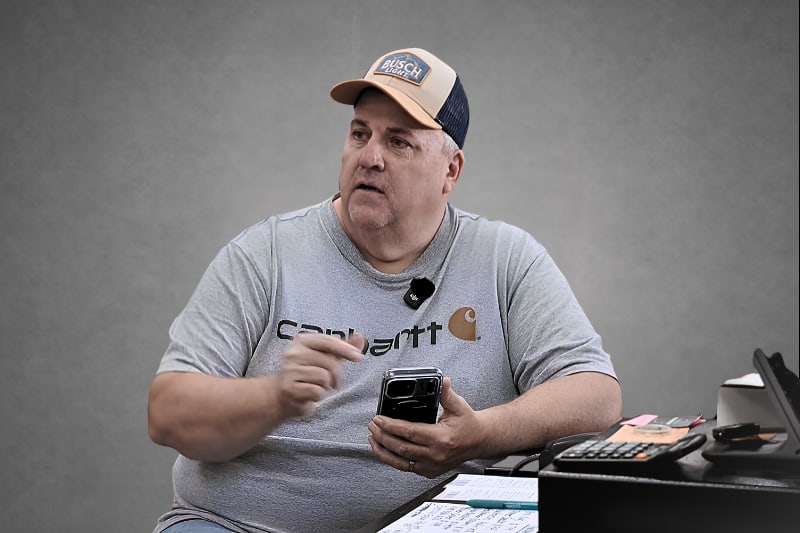
Jim RoweFounder & CEOTurning liquidation returns and excess inventory into high-margin retail cash fl
In this interview, Jim Rowe, Founder and Chief Executive Officer of Black Diamond Resale, shares how he pivoted from a twenty-five-year restaurant career into building a profitable retail liquidation storefront generating 70 Thousand USD monthly. He details his operational methodology for sourcing pallets from major retail giants, testing electronics, and pricing returned goods for rapid inventory turnover. Rowe outlines essential tactics on managing local supply logistics, leveraging satellite sellers, and creating recession-resilient retail cash flow.

Founder Stats
- Retail
- Started 2020
- $70K/mo
- Under 10 employees
- Ellensburg, Washington, USA
About Jim Rowe
Jim Rowe is the Founder and Chief Executive Officer of Black Diamond Resale, a high-volume retail liquidation operation headquartered in Ellensburg, Washington. After spending more than two decades managing commercial kitchens and restaurants, he launched his resale enterprise during the pandemic by auctioning excess inventory through digital marketplaces. Rowe operates a six-thousand-square-foot storefront sourcing surplus goods from top national retailers and is recognized for teaching practical merchandise flipping fundamentals.
Interview
November 13, 2026
What inspired you to transition from a twenty-five-year culinary career into liquidation retail?
When pandemic health mandates forced our restaurants to shutter permanently, I suddenly faced zero income and substantial debt. I began selling surplus kitchen gear and picking up gig work to survive. Discovering liquidation auctions showed me that massive retail chains discard millions of dollars in pristine returned merchandise daily. That realization convinced me that resale offered immediate cash flow.
How do you evaluate and source profitable merchandise pallets through digital liquidation platforms?
We primarily procure surplus lots through verified enterprise auction portals like B-Stock, targeting returns from Costco, Home Depot, and Target. The key is studying historical manifests rather than gambling on mystery freight. You calculate average retail value per unit, factor in shipping freight expenses, and bid only when guaranteed seventy percent gross profit margins remain.
What operational steps do you take to inspect and grade returned consumer electronics?
Every electronic item gets unboxed, powered on, and tested through complete operational cycles before reaching our retail floor. If an appliance lacks a crucial cord or shows cosmetic scuffs, we document the flaw openly on the pricing label. Radical transparency eliminates customer disputes, builds community goodwill, and keeps our product return rate below one percent.
How did you generate sixty thousand dollars in revenue during your first month without signage?
We leased an inexpensive, former tow truck garage on a quiet secondary street and posted daily inventory drops across local community social groups. When shoppers realize you are selling brand-new furniture and power tools at fifty percent off retail prices, word-of-mouth spreads rapidly. Great pricing creates stronger organic foot traffic than expensive commercial billboards.
What pricing strategy ensures rapid inventory turnover inside your six-thousand-square-foot facility?
Our rule is simple: price every item between forty and sixty percent below prevailing big-box store tags. Liquidation profitability relies entirely on asset velocity rather than squeezing the absolute highest dollar out of each pallet. Holding unsold inventory consumes precious floor space and ties up working capital required to buy the next truckload.
How do you utilize satellite sellers to expand retail distribution across regional territories?
We partner with ambitious local resellers who lack warehouse space or capital to buy full truckloads. We sell them curated pallets or bulk lots at wholesale discounts, allowing them to flip items at flea markets and online groups. They earn substantial profit margins while helping our core warehouse clear bulky inventory within forty-eight hours.
What inventory categories consistently deliver the highest profit margins and sales velocity?
Outdoor power equipment, home improvement tools, and solid wood furniture consistently yield the strongest returns. Consumers readily purchase brand-name lawn mowers and generators at steep discounts because replacement costs at traditional stores are painful. Conversely, low-ticket apparel and unbranded household gadgets tie up labor without moving financial needles.
How do you manage cash flow when purchasing large truckloads requiring upfront payments?
Never purchase speculative freight with money you need for rent or basic operating payroll. We maintain a dedicated capital reserve funded strictly from previous inventory profits. When high-value lots appear on auction boards, we deploy cash reserves aggressively, liquidate fifty percent of the volume within seven days, and immediately replenish our operational bank account.
What common mistakes do beginner liquidation flippers make when buying their first pallets?
Beginners frequently overpay for shipping freight because they fail to calculate regional carrier transit fees. A pallet might look incredibly cheap at two hundred dollars, but paying four hundred dollars for freight destroys your profit margin instantly. Always source from regional distribution hubs and avoid freight lanes that exceed projected merchandise profit.
How do you navigate competition from local big-box retailers in small-town markets?
We do not view big-box retailers as competitors; they are our primary inventory suppliers. When major stores experience overstock or seasonal shelf resets, they must clear aisles quickly for incoming products. We provide our rural community with identical brand-name goods at fraction-of-retail pricing, turning corporate supply chain waste into local household savings.
How do you motivate and lead your small retail team during heavy freight unloading days?
We foster a roll-up-your-sleeves culture where I work side-by-side with our team on the loading dock. Sorting twenty-six pallets in one afternoon is physically demanding. We gamify sorting quotas, celebrate great merchandise discoveries, and reward staff with bonuses when sales targets hit. Mutual respect and direct operational presence keep team morale exceptionally high.
What core advice would you give to entrepreneurs launching an inventory flipping business?
Start small by flipping individual household items on local digital marketplaces before committing capital to full commercial truckloads. Master product valuation, hone your photography and customer communication skills, and reinvest every earned dollar back into buying better inventory. Consistent execution, obsessive cash discipline, and honest customer service always beat theoretical business plans.
Table Of Questions
Video Interviews with Jim Rowe
This Guy Makes 2300 USD A Day with a Business No One Talks About! - Jim Rowe (Interview Video)
This Guy Makes 2300 USD A Day with a Business No One Talks About! - Jim Rowe (Interview Video)
3,500 USD in One Day: How Jim Rowe Built a Reselling Business From Scratch
Cite This Interview
Use this interview in your research, article, or academic work
Related Interviews

Marco Palmieri
Founder, Chairman & CEO at Piquadro
Industrializing Italian leathercraft and revitalizing heritage luxury brands
In this interview, Marco Palmieri, Founder and Chief Executive Officer of Piquadro, traces his entrepreneurial trajectory from selling handmade leather bags from his car trunk…
Ronnie Fieg
Founder, CEO & Creative Director at Kith
In this interview, Ronnie Fieg, founder, CEO, and creative director of Kith, opens up 15 years of his brand's archive and shares stories he has…

Jake Karls
Co-founder & Chief Rainmaker at Mid-Day Squares
In this interview, Mid-Day Squares co-founder and Chief Rainmaker Jake Karls describes the unconventional journey of building a disruptive snack brand. Karls shares insights on…

Matt Ebert
Founder & CEO at Crash Champions
In this interview, Crash Champions founder and CEO Matt Ebert discusses the growing demand for skilled trades and the automotive technician shortage facing the collision…

Allison Ellsworth
Co-founder at Poppi
In this interview, Poppi co-founder Allison Ellsworth shares the journey of building a prebiotic soda brand from a kitchen counter experiment to a 1.95 billion…

Dave Mondragon
Founder & CEO at AutoTrust Dealer Alliance
In this interview, AutoTrust founder and CEO Dave Mondragon explains how independent automotive dealers can compete with large public dealer groups through collective purchasing power…