Neal Mohan, CEO at YouTube
4.8/5 Rating
Technology
Approximately $4.5 Billion USD/mo
Approximately $54 Billion USD ARR

Neal MohanCEO

In this interview, YouTube CEO Neal Mohan discusses the future of the creator economy, YouTube's monetization model, AI-generated content, free speech, streaming competition, and the platform's growing influence on global media consumption. He shares insights on why YouTube remains the world's largest creator ecosystem and how AI is reshaping content creation and distribution.

Neal Mohan

Neal Mohan

CEO

YouTube

YouTube

Founder Stats

  • Technology
  • Started 2005
  • Approximately $4.5 Billion USD/mo
  • 7,000+ team
  • San Bruno, California, USA

About Neal Mohan

Neal Mohan is the CEO of YouTube, the world's largest video platform and creator economy. Having spent years building digital advertising products and scaling YouTube's ecosystem, he now leads a platform that serves billions of users, pays billions to creators annually, and continues to shape the future of online video, streaming, and digital content creation.

Interview

June 29, 2026

Q

How do you view YouTube's role in the creator economy today?

Question 1 of 16
Neal Mohan

We see ourselves as the original creator economy. Over the last three years, we've paid more than $70 billion to creators, media companies, and music partners. Our goal has always been to create a platform where people can build businesses around their content and grow alongside their audiences.

0
Q

Why has YouTube's revenue-sharing model been so successful?

Question 2 of 16
Neal Mohan

The model is built around creators betting on themselves. As creators grow their audience and engagement, their business grows too. Not everyone becomes a massive creator, but millions of creators today earn revenue through the YouTube Partner Program, which shows the strength of the ecosystem.

0
Q

Some creators believe YouTube's revenue share is too high. How do you respond?

Question 3 of 16
Neal Mohan

Different creators have different business models. Some prefer YouTube's monetization system, while others sell sponsorships directly. Our philosophy is to provide multiple options so creators can choose the approach that works best for their goals and audience.

0
Q

What makes YouTube's advertising platform so effective?

Question 4 of 16
Neal Mohan

The biggest factor is engagement. People come to YouTube intentionally to watch content they care about. Whether it's a favorite creator, a podcast, music, or educational content, users are highly engaged. That attention creates strong outcomes for advertisers and helps support creators.

0
Q

Has personalized content fragmented culture?

Question 5 of 16
Neal Mohan

Personalization certainly changes how people consume media. Everyone's feed looks different. However, we still see major cultural moments emerge on YouTube. Many trends, creators, and events reach massive audiences globally and become part of popular culture despite personalization.

0
Q

Why is live content becoming more important?

Question 6 of 16
Neal Mohan

Live content creates shared experiences. Sports, events, and major broadcasts bring people together in ways that on-demand content sometimes cannot. That's why we continue investing in live programming and partnerships that create those real-time moments for audiences.

0
Q

How significant is YouTube's position in the streaming market?

Question 7 of 16
Neal Mohan

Today, YouTube is the largest streaming platform in the United States based on television viewing. What's important is that our reach extends beyond television because people also watch YouTube extensively on mobile devices, tablets, and computers.

0
Q

How do you think about free speech on YouTube?

Question 8 of 16
Neal Mohan

Freedom of expression is central to YouTube's mission. Our goal is to give everyone a voice and show them the world. At the same time, we operate globally and must balance that principle with local laws, safety considerations, and platform responsibilities.

0
Q

What lessons did YouTube learn from the pandemic era?

Question 9 of 16
Neal Mohan

The pandemic presented unprecedented challenges. Information was changing rapidly, and platforms had to make decisions in real time. Many of the policies that existed during that period no longer exist today because the context and circumstances have changed significantly.

0
Q

How do you manage content moderation at YouTube's scale?

Question 10 of 16
Neal Mohan

It's one of the most complex challenges we face. Hundreds of hours of content are uploaded every minute. We combine technology, policies, human review, and local expertise while trying to remain as consistent as possible with our core principles.

0
Q

Why is YouTube Premium such an important product?

Question 11 of 16
Neal Mohan

Consumers want choice. Advertising remains the primary way we support creators, but many users prefer an uninterrupted experience. Premium gives them that option while also creating another revenue stream that can be shared across the creator ecosystem.

0
Q

How large has YouTube Premium become?

Question 12 of 16
Neal Mohan

Premium and Music subscriptions have grown significantly, reaching well over one hundred million subscribers globally. It has become an important part of our overall business and offers users flexibility in how they experience the platform.

0
Q

How is AI changing content creation?

Question 13 of 16
Neal Mohan

AI is becoming a creative tool for many users. People can already generate video content using AI-assisted tools. Going forward, the distinction between fully AI-generated content and AI-assisted content will become increasingly blurred as creators adopt these technologies.

0
Q

How should platforms handle AI-generated content?

Question 14 of 16
Neal Mohan

Transparency is important. That's why we provide labels for AI-generated content. We also believe creators should have greater control over their likeness, voice, and identity when AI systems are used to create content that resembles them.

0
Q

Why is protecting creator identity becoming a priority?

Question 15 of 16
Neal Mohan

A creator's voice, image, and likeness are valuable assets. As AI-generated content becomes more sophisticated, platforms need systems that can detect and manage unauthorized use while giving creators more control over how their identity is used.

0
Q

What excites you most about YouTube's future?

Question 16 of 16
Neal Mohan

We still believe we're in the early stages of our growth story. There are enormous opportunities in creators, streaming, AI, subscriptions, sports, education, and global content. Our mission remains the same: giving everyone a voice and helping people discover the world through video.

0

Video Interviews with Neal Mohan

YouTube CEO Neal Mohan on AI, Censorship & the Future of Creators
YouTube CEO Neal Mohan on AI, Censorship & the Future of Creators
YouTube CEO Neal Mohan on AI, Censorship & the Future of Creators

AI Slop Is Transforming YouTube. Its CEO Wants To Keep It Human

AI Slop Is Transforming YouTube. Its CEO Wants To Keep It Human

 YouTube CEO Neal Mohan & Creators Talk Emmys, Streaming & Creator Power | Deadline Cover Story
YouTube CEO Neal Mohan & Creators Talk Emmys, Streaming & Creator Power | Deadline Cover Story

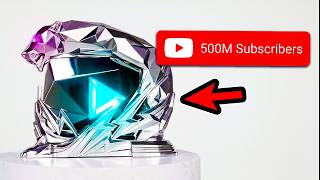
Here Is The NEW 500 Million Subscribers Play Button!

Here Is The NEW 500 Million Subscribers Play Button!

Cite This Interview

Use this interview in your research, article, or academic work

Related Interviews
Jeetu Patel, President & Chief Product Officer at Cisco Systems
Technology

Jeetu Patel

President & Chief Product Officer at Cisco Systems

Approximately $4.5 Billion USD
90,000+

In this interview, Cisco President and Chief Product Officer Jeetu Patel discusses the AI-driven networking supercycle, the future of software development, workforce transformation, and the…

Read Interview
Chris Lou, Founder and CEO at Usobi
Technology

Chris Lou

Founder and CEO at Usobi

In this interview, U-SOB founder Chris Lou discusses the growing talent challenges within the iGaming industry. He shares insights on leadership hiring, employee retention, AI…

Read Interview
Luke Sarsfield, Chairman & CEO at Ridgewood Capital
Technology

Luke Sarsfield

Chairman & CEO at Ridgewood Capital

200+

In this interview, Ridgewood Capital CEO Luke Sarsfield explains how alignment drives long-term success in asset management. Drawing on more than two decades at Goldman…

Read Interview
Srinath Ravichandran, Co-Founder & CEO at Agnikul Cosmos
Technology

Srinath Ravichandran

Co-Founder & CEO at Agnikul Cosmos

Pre-revenue
300+

In this interview, Agnikul Cosmos co-founder and CEO Srinath Ravichandran explains rocket science in simple terms while sharing his journey from Wall Street to building…

Read Interview
Jean-Charles Gaudechon, CEO at Remedy Entertainment
Technology

Jean-Charles Gaudechon

CEO at Remedy Entertainment

4.6M - $5.8M USD
350+

In this interview, Remedy Entertainment CEO Jean-Charles Gaudechon discusses the future of the studio, the importance of protecting Remedy's creative identity, and the opportunities ahead…

Read Interview
Fabricio Bloisi, CEO at Prosus and Naspers
Technology

Fabricio Bloisi

CEO at Prosus and Naspers

$1M+
10,000+

In this interview, Prosus CEO Fabricio Bloisi shares how he built billion-dollar technology businesses through relentless innovation, strong culture, and entrepreneurial leadership. He discusses scaling…

Read Interview