
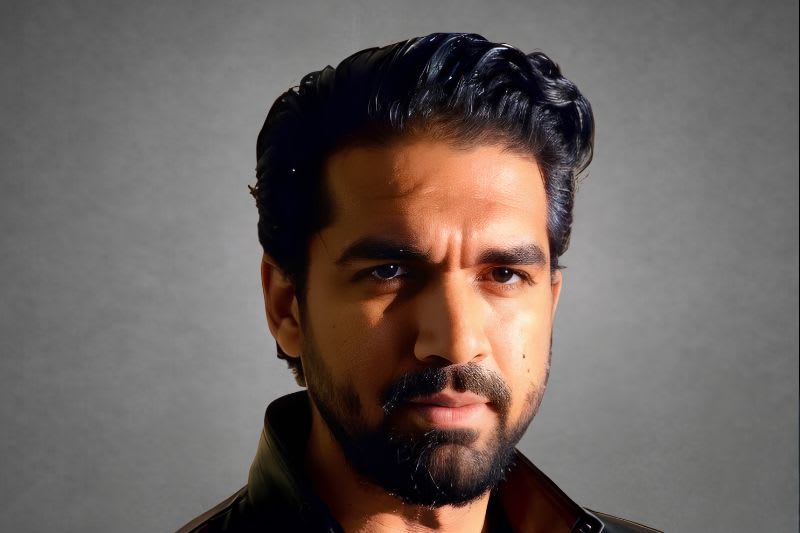
Sanket PathakCo-Founder & CEO
In this interview, Foundation Robotics co-founder and CEO Sanket Pathak discusses the future of humanoid robots in construction, logistics, and defense. He explains why he believes robots can help solve labor shortages, reduce dangerous work for humans, and eventually build large-scale infrastructure while operating alongside people in both commercial and defense environments.

Founder Stats
- AI
- Started 2023
- Pre-revenue/mo
- 11-50 team
- San Francisco, California, USA
About Sanket Pathak
Sanket Pathak is the Co-Founder and CEO of Foundation Robotics, a startup building humanoid robots for industrial, commercial, and defense applications. His vision is to create robots capable of performing difficult physical work, helping industries address labor shortages while eventually enabling the construction and operation of large-scale infrastructure projects.
Interview
June 18, 2026
What inspired you to start Foundation Robotics?
I became obsessed with the idea of using robots to do hard labor that humans either cannot do safely or simply do not want to do. My long-term vision is to build technologies that can construct massive cities and infrastructure projects using robots, dramatically reducing the cost of building and maintaining them.
Why did you focus on humanoid robots instead of other robotic systems?
What industries do you believe will benefit most from humanoid robots?
Why did you decide to make Foundation Robotics a dual-use company?
How do humanoid robots fit into defense operations?
What have you learned from your early field testing?
Why is Ukraine an important testing ground for new robotics technology?
Some people fear humanoid robots on battlefields. How do you respond to those concerns?
I think many of those concerns are emotional rather than practical. If someone's goal is destruction, there are already more effective tools available. Humanoid robots are valuable because they can perform tasks with greater precision and potentially reduce collateral damage compared to more destructive alternatives.
Why do you describe humanoids as tools of precision?
What role do robots play in reducing risk to humans?
How close are we to seeing widespread deployment of humanoid robots?
What are the biggest technical challenges that still need to be solved?
What is your long-term vision for Foundation Robotics?
Table Of Questions
Video Interviews with Sanket Pathak
Exclusive: From Ajmer To Us: Indian American CEO Builds Robo-soldiers Company | Faultlines
Exclusive: From Ajmer To Us: Indian American CEO Builds Robo-soldiers Company | Faultlines
Startup Building Robot 'Brain' Raises $1.4 Billion
Foundation CEO Sankaet Pathak Reveals How AI is Transforming Robotics Industry
Cite This Interview
Use this interview in your research, article, or academic work
Related Interviews

Jack Clark
Co-Founder & Head of Policy at Anthropic
In this interview, Anthropic co-founder and head of policy Jack Clark addresses escalating existential and economic concerns surrounding advanced artificial intelligence. Clark explains the critical…

Sauvik Banerjjee
Group CTO & Chairman of Rezolve India at Rezolve AI
In this interview, Rezolve AI Group CTO and Chairman of Rezolve India Sauvik Banerjjee discusses career acceleration, organizational leadership, and enterprise artificial intelligence architectures. Banerjjee…

Shishir Mehrotra
CEO at Superhuman
In this interview, Superhuman CEO Shishir Mehrotra shares actionable insights on career development and organizational management in the artificial intelligence era. Mehrotra explains how to…
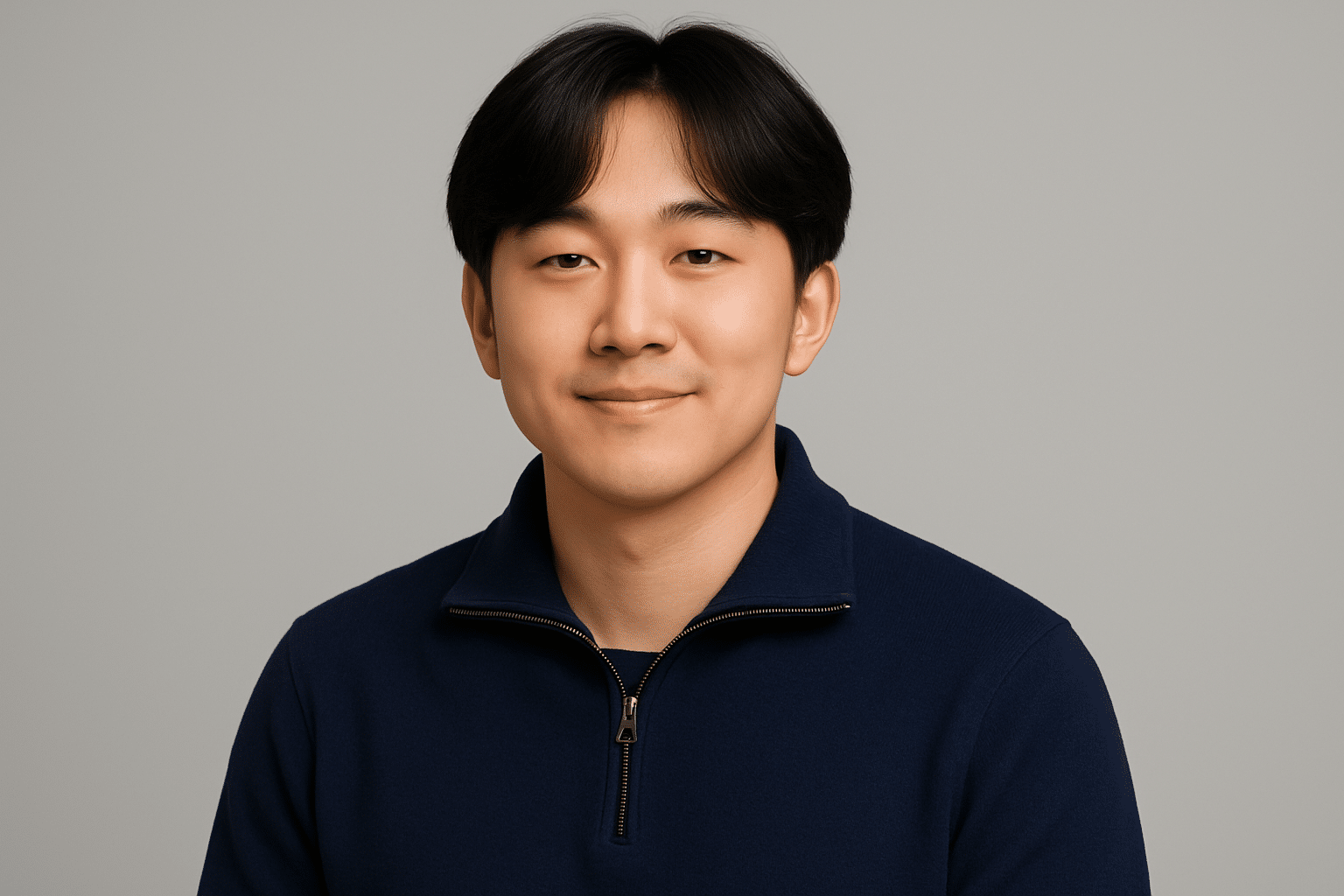
Chungin Roy Lee
Co-founder & CEO at Cluely
In this interview, Cluely co-founder and CEO Chungin Roy Lee discusses the gold rushes inside AI, focusing on AI video production and capturing arbitrage from…
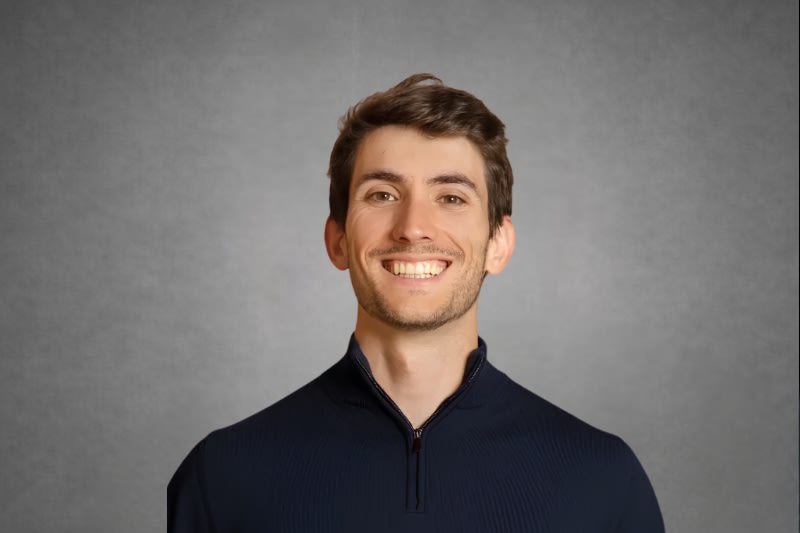
Pablo Palafox
Co-founder & CEO at Happy Robot
In this interview, Happy Robot co-founder and CEO Pablo Palafox explains how AI agents are moving beyond answering questions to executing complex coordination tasks across…
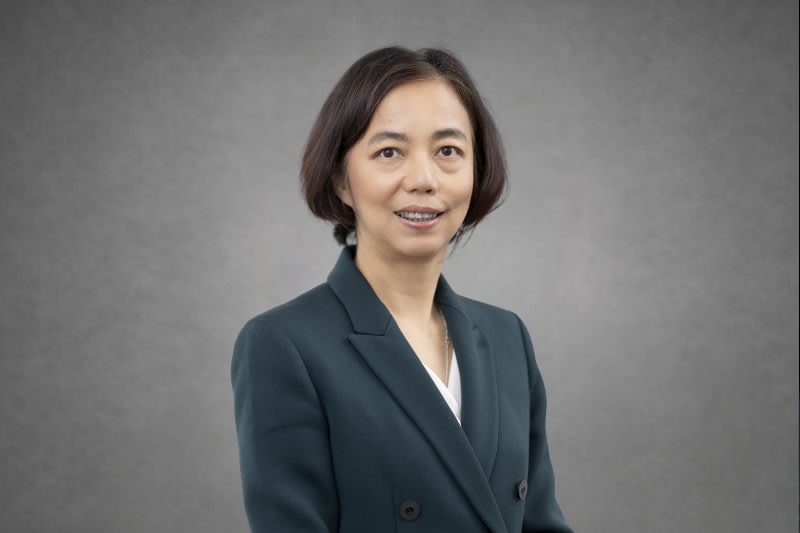
Dr. Fei-Fei Li
Co-founder & CEO at World Labs
In this interview, World Labs co-founder and CEO Fei-Fei Li discusses spatial intelligence, world models, and the future of computer vision. Li explains the distinction…