
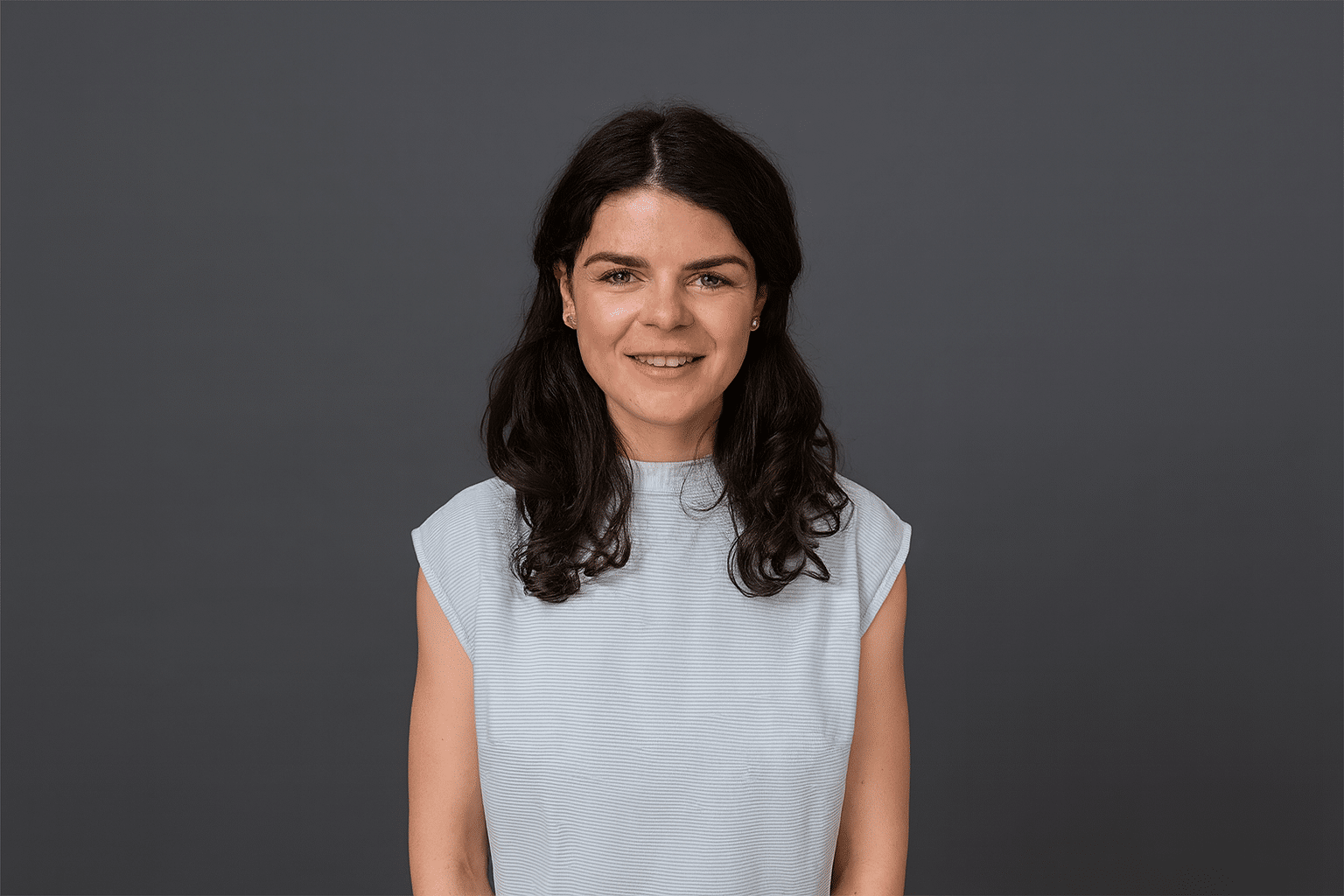
Alice BentinckCo-founder and CEO, Entrepreneurs First
In this interview, Alice Bentinck discusses how Entrepreneurs First pioneered a model of investing in talented individuals before they have a startup idea. She shares lessons from navigating early uncertainty, building strong co-founder partnerships, and scaling a founder-focused platform. Bentinck also explains how relocating fundraising efforts to San Francisco accelerated growth, increased valuations, and reinforced the importance of customer feedback, speed, and continuous learning.

Founder Stats
- Technology, Finance, Edu
- Started 2015 or
- $1M+/mo
- 50+ team
- USA
About Alice Bentinck
Alice Bentinck is the co-founder and CEO of Entrepreneurs First, a global talent investor that backs exceptional individuals at the earliest stages of company creation. Since launching EF in 2011, she has helped build one of the world’s leading startup talent platforms, supporting founders before they have a team or idea. Her work focuses on entrepreneurship, founder development, and creating systems that help ambitious people build transformative companies.
Interview
December 19, 2025
What has been the best moment in your EF journey?
What do you love most about the day-to-day work?
What was the hardest stretch in the early days?
Did you ever get close to shutting EF down?
How do you see yourself: founder or investor?
I’m at the intersection of the two. EF runs like a company: we have a team, we build a product, and we deliver an experience. But our business model is investing. To be a good investor you need to understand outliers, and for us that means spotting outlier talent and helping them turn into outlier companies.
What are you most proud of inside the company?
What changed for you when you moved from CPO to CEO?
What is the core joy of being a founder for you?
What makes a strong co-founder relationship, in your view?
What keeps your co-founder relationship healthy over many years?
How does EF help founders choose the right co-founder?
Why did EF shift toward getting founders to San Francisco?
Two things happened at once. We have an investor base that is largely US institutions and US high net worths, so we were already working on how to engage with the US. Then we started hearing founders say, “My number one priority is to get to the Bay Area quickly.” Our job is to delight the customer.
What measurable results have you seen from the SF fundraising shift?
What surprised you most about working with US customers early?
How do customers shape the culture of a company?
A key idea is that customers set the pace. If your customers move quickly and respond quickly, that becomes the pace your company moves at. By having American customers from day one, founders adopt a higher level of productivity and speed. In this AI wave, pace and productivity matter more than ever.
How do you deal with ecosystem pushback when making unpopular decisions?
It’s not nice, but being a founder is not about people pleasing. The most important thing is what your customers want and what makes the business successful. We were unpopular early on too, and people thought we were wasting our time. I’m fine with being unpopular if we are building something great.
What can European hubs learn from San Francisco?
Density and proximity matter a lot. San Francisco is a small, highly connected place, so information and relationships move fast. You bump into people constantly, which creates spontaneous interactions and faster decisions on funding, hiring, and customers. Some cultural parts are hard to replicate, but clusters and real hubs help.
Table Of Questions
Video Interviews with Alice Bentinck
Alice Bentinck: CoFounder and CEO at Entrepreneurs First - 'How we built the UK's leading incubator'
Alice Bentinck: CoFounder and CEO at Entrepreneurs First - 'How we built the UK's leading incubator'

How to find the right Co-Founder & business idea | Alice Bentinck
Women in STEM: Overcoming Challenges | Alice Bentinck: The realities of a founder
Cite This Interview
Use this interview in your research, article, or academic work
Related Interviews

Naveen Rao
VP of Generative AI & Former CEO of MosaicML at Databricks
In this interview, Naveen Rao, VP of Generative AI at Databricks and former CEO of MosaicML, analyzes the explosive economics of artificial intelligence inference and…
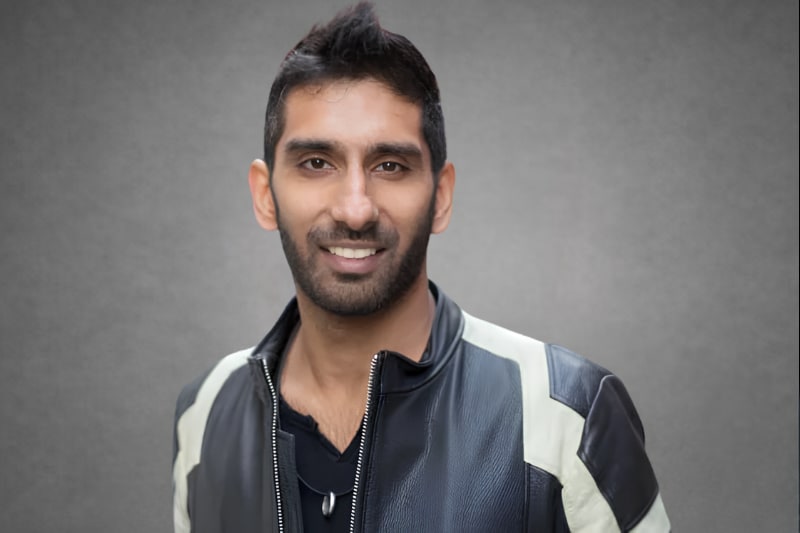
Rahul Vohra
Founder & CEO at Superhuman
In this interview, Rahul Vohra, Founder and CEO of Superhuman, explores why superficial AI integrations fail to retain software users and outlines frameworks for embedding…

Sam Altman
Co-founder & CEO at OpenAI
In this interview, Sam Altman, Co-Founder and CEO of OpenAI, explores the practical trajectory toward artificial general intelligence and the imperative of human agency in…
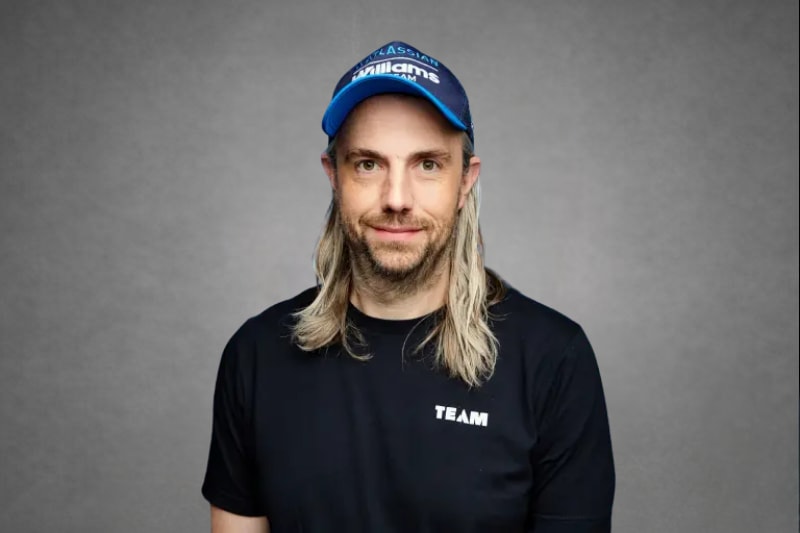
Mike Cannon-Brookes
Co-Founder & CEO at Atlassian
In this interview, Mike Cannon-Brookes, Co-Founder and CEO of Atlassian, discusses the practical integration of autonomous AI agents across modern enterprise collaborative workflows. He examines…

Jensen Huang
Co-founder & CEO at NVIDIA
In this interview, Jensen Huang, Founder, President and CEO of NVIDIA, addresses prevailing existential narratives surrounding artificial intelligence and outlines Europe's sovereign computing opportunities. He…

Aneel Bhusri
Co-Founder & CEO at Workday
In this interview, Aneel Bhusri, Co-Founder and CEO of Workday, unpacks the seismic impact of enterprise AI agents on global corporate labor and organizational architecture.…