
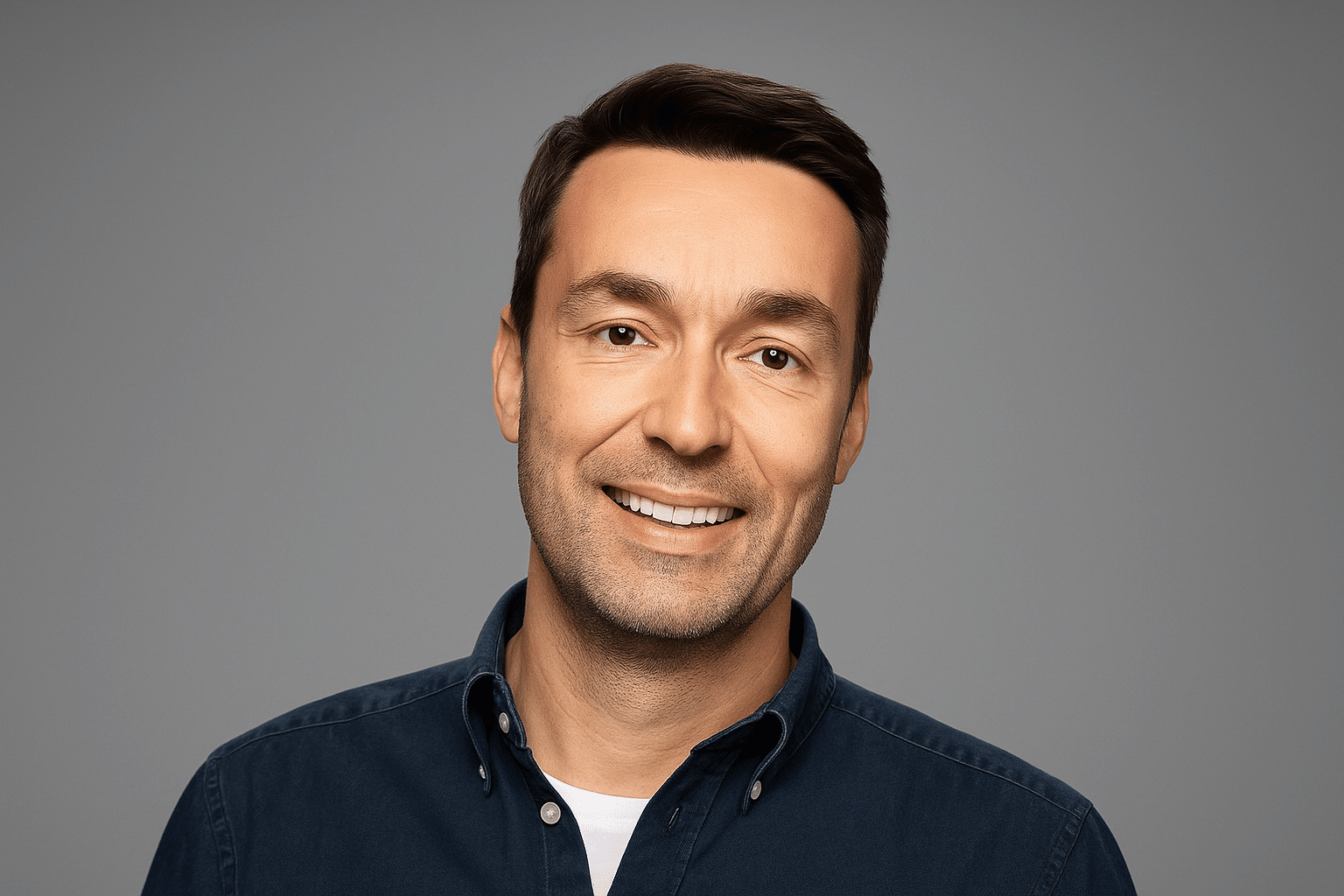
Patrick SoderlundFounder & CEO
In this interview, Patrick Söderlund discusses building Embark Studios and creating games designed for long-term player engagement. He shares insights on making difficult leadership decisions, balancing data with creative judgment, and continuously improving products through iteration. The conversation highlights efficient development through better tools and pipelines, adapting business models to market realities, respecting player time, and fostering a culture where honest feedback and disciplined execution drive sustainable success.
Founder Stats
- Technology, Gaming
- Started 2018
- N/A/mo
- 300+ team
- N/A
About Patrick Soderlund
Patrick Söderlund is the founder and CEO of Embark Studios, the Stockholm-based game developer behind The Finals and ARC Raiders. After a successful career leading major game franchises and studios at Electronic Arts, he founded Embark Studios in 2018 with a vision of building innovative multiplayer experiences through modern technology and efficient development processes. Under his leadership, Embark has become known for rapid iteration, player-focused design, and a culture that values candid feedback, creativity, and long-term thinking.
Interview
November 1, 2025
What do you see as your job as a leader?
How did you handle The Finals’ early success and then the rapid drop in players?
What did you learn about using data to run a live game?
How did you rebuild momentum on The Finals?
What will you carry into Arc Raiders from that experience?
You often mention respecting players' time what does that mean?
Why is Arc Raiders premium while The Finals is free-to-play?
You once said Arc Raiders “wasn’t fun enough.” How did you make that call?
What’s the ‘secret’ behind getting attention with new IPs?
How is development at Embark different from your time at EA?
Fast doesn't mean rushed how do you keep quality?
Does adding more people solve schedule pressure?
Why launch Arc Raiders between Battlefield and Call of Duty?
Would you leave EA to found Embark if you had to decide today?
How has Nexon’s ownership affected Embark?
What’s your read on the industry’s tough moment?
Where do you want Embark to be in five years and what have you learned personally?
Table Of Questions
Video Interviews with Patrick Soderlund
Interview with Embark CEO on how Arc Raiders is defying the industry odds
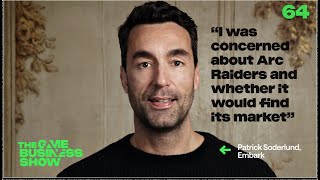
Interview with Embark CEO on how Arc Raiders is defying the industry odds

Need for Speed : Hot Pursuit : Entretien avec Patrick Soderlund

Patrick Soderlund's Embark Studios & Emerging Tech in Games
Cite This Interview
Use this interview in your research, article, or academic work
Related Interviews

Naveen Rao
VP of Generative AI & Former CEO of MosaicML at Databricks
In this interview, Naveen Rao, VP of Generative AI at Databricks and former CEO of MosaicML, analyzes the explosive economics of artificial intelligence inference and…
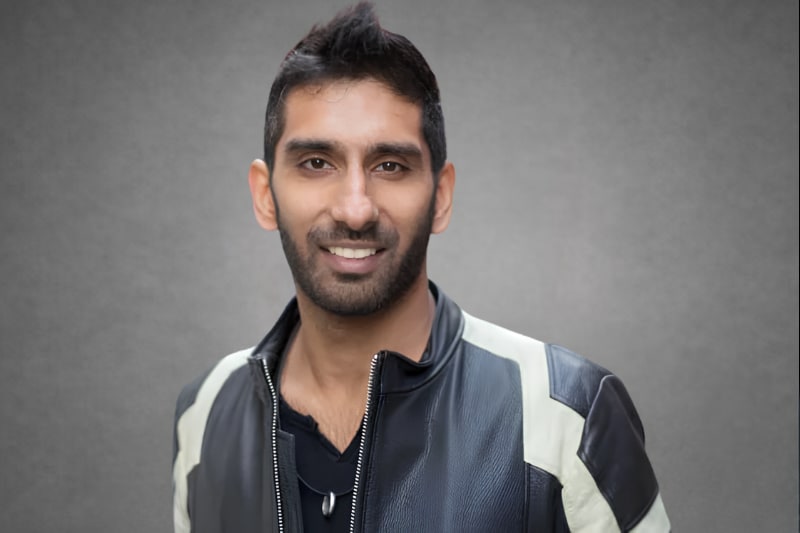
Rahul Vohra
Founder & CEO at Superhuman
In this interview, Rahul Vohra, Founder and CEO of Superhuman, explores why superficial AI integrations fail to retain software users and outlines frameworks for embedding…

Sam Altman
Co-founder & CEO at OpenAI
In this interview, Sam Altman, Co-Founder and CEO of OpenAI, explores the practical trajectory toward artificial general intelligence and the imperative of human agency in…
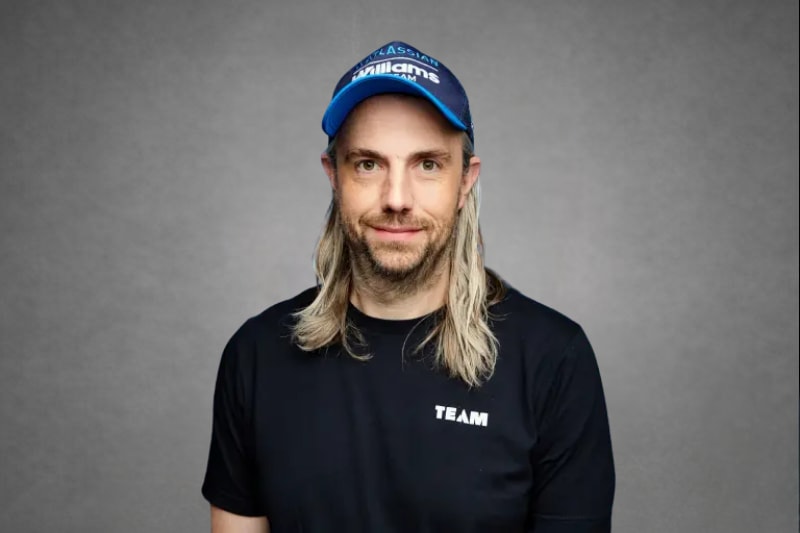
Mike Cannon-Brookes
Co-Founder & CEO at Atlassian
In this interview, Mike Cannon-Brookes, Co-Founder and CEO of Atlassian, discusses the practical integration of autonomous AI agents across modern enterprise collaborative workflows. He examines…

Jensen Huang
Co-founder & CEO at NVIDIA
In this interview, Jensen Huang, Founder, President and CEO of NVIDIA, addresses prevailing existential narratives surrounding artificial intelligence and outlines Europe's sovereign computing opportunities. He…

Aneel Bhusri
Co-Founder & CEO at Workday
In this interview, Aneel Bhusri, Co-Founder and CEO of Workday, unpacks the seismic impact of enterprise AI agents on global corporate labor and organizational architecture.…