
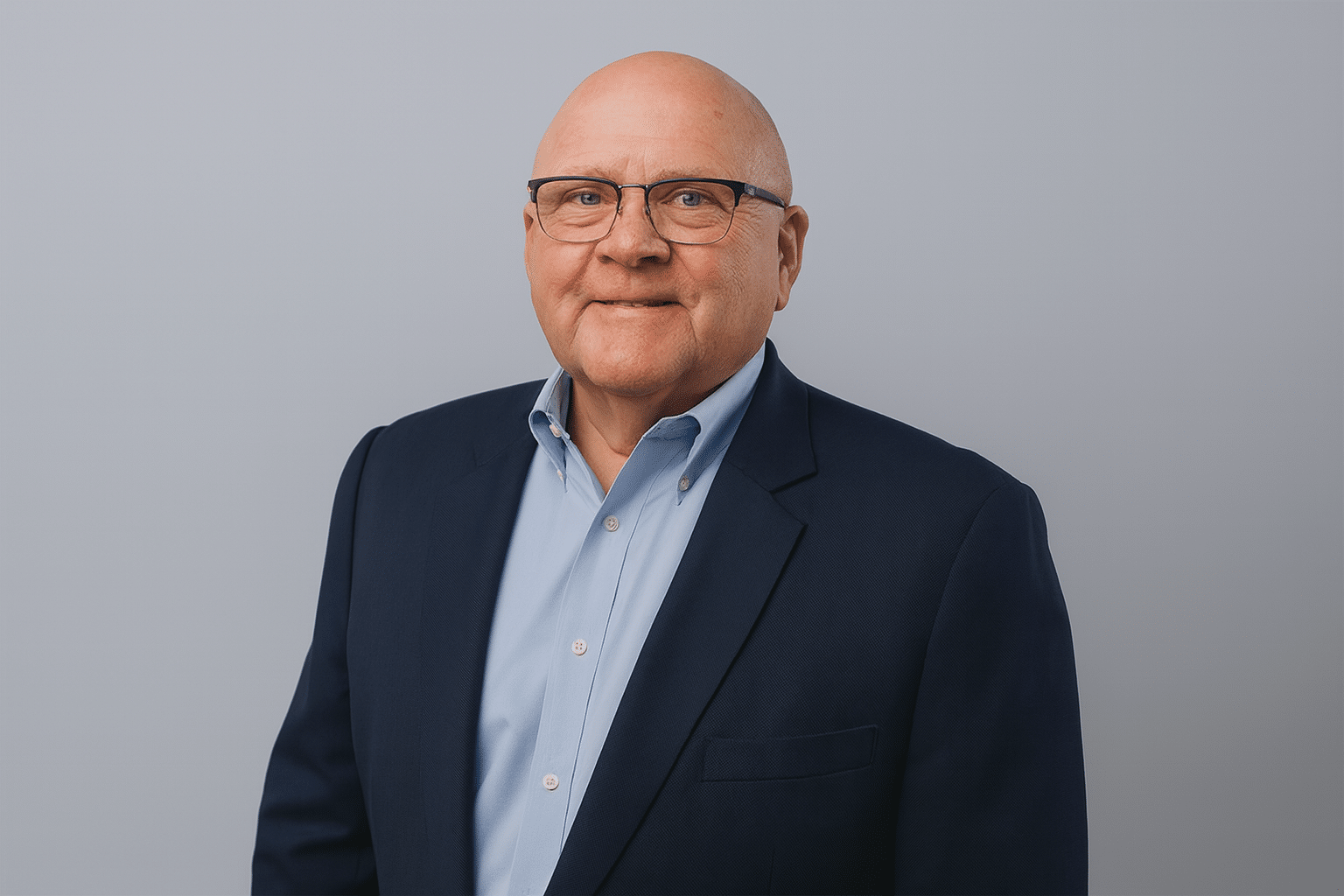
Garry RidgeChairman Emeritus, Former CEO & Founder of The Learning Moment
In this interview, Garry Ridge discusses how he transformed WD-40 Company into a globally recognized brand by building a culture centered on servant leadership, trust, and continuous learning. He shares insights on employee engagement, creating psychologically safe workplaces, and replacing fear of failure with learning moments. The conversation highlights purpose-driven leadership, organizational culture, humility, and how investing in people can drive sustainable business growth and long-term success.
Garry Ridge
Chairman Emeritus, Former CEO & Founder of The Learning Moment

WD-40 Company
Founder Stats
- Retail, Production
- Started 2015 or
- $1M+/mo
- 50+ team
- USA
About Garry Ridge
Garry Ridge is the Chairman Emeritus and former CEO of WD-40 Company, where he spent 25 years leading the iconic brand through a period of remarkable growth and cultural transformation. Under his leadership, WD-40 evolved from a successful product company into a highly engaged, values-driven organization known for its people-first philosophy. Today, through The Learning Moment, Ridge helps leaders build high-trust cultures by embracing servant leadership, continuous learning, and purposeful employee development.
Interview
December 1, 2025
You introduced yourself as “consciously incompetent, probably wrong and roughly right.” Why start that way as a CEO?
Before the culture change at WD-40, what kind of leader were you and what had to change?
You went back to school for a master’s degree after already becoming CEO. Why did you do that?
How did meeting Ken Blanchard and learning about servant leadership change the way you ran WD-40?
You call WD-40 a “tribe,” not a family or a team. What does tribe mean in your leadership philosophy?
Tribe fit better than team or family. Tribal leaders learn, teach, and keep the tribe alive. A tribe has values, warriors with different skills, community, celebration, and is future-focused pick the wrong lake and everyone dies. Our tribe means forever learners and teachers, mutual respect, and a just cause of protecting and feeding each other.
You often say there are no mistakes at WD-40, only learning moments. How did that work in practice?
You adapted Simon Sinek’s culture formula to “values plus behavior times consistency.” Why is consistency so important?
How did you deal with people who did not fit the culture, even if they were talented?
Many people still think culture work is soft or mushy. How did you answer the cynics?
Culture is not soft. If it were easy, we would not see 70% disengagement. I point to numbers: market cap grew from about $300 million to $3.6 billion, engagement over 90%, no layoffs in downturns, more countries. Belonging and trust drove performance; ignore culture and you pay in results and talent.
You coach CEOs now. What do you see them most often underestimating about their own behaviour?
CEOs underestimate how their behavior sets the tone. Few wake up wanting to be jerks; they copy models of ego, low empathy, micromanagement. People watch every move. You cannot build trust if you are not trustworthy, or learning if you pretend to know everything. It starts with your awareness and willingness to change.
During COVID you found engagement and optimism actually went up. What did your people tell you?
What was the purpose statement at WD-40, and how did it guide decisions beyond selling product?
Our purpose was to create positive lasting memories solving problems in factories, homes, and workshops worldwide. It is about the experience people have with us, not cans and nozzles. It guided how we treated customers, each other, and investors money keeps the tribe alive, but the real work is solving problems and creating memories.
You replaced annual reviews with regular coaching conversations. How did that change performance management?
Many founders feel overwhelmed by culture work on top of everything else. What do you tell them?
CEOs are pulled everywhere and culture feels extra. Start with foundations: clear purpose, clear values, one behavior you will change like becoming a coach. Ask for help. It took about five years before momentum built. Give yourself grace but be intentional; culture change is how you show up daily, not a one-off project.
Can you share a concrete example of using values to redirect behaviour without creating fear?
In a meeting someone drained energy, violating our value of creating positive memories. I could ignore it or attack publicly. Instead I walked with them and said, 'The you I know wasn't in that room. What's getting in your way?' We reconnected behavior to value, they apologized, and colleagues checked in. Values plus learning moments reduce fear.
You often link culture to financial results. How do you explain that connection to investors and boards?
I tell investors outcome equals will of the people times strategy. A 70-point plan executed by 30% engaged people is weak; the same plan with 80–90% engagement is powerful. We focused on people, purpose, values, learning, and started investor decks with culture. Over time skeptics saw engagement tied to 1,000%+ value growth.
What is your core message to leaders who want people to go home happy from work?
Picture a place where you contribute to something bigger, learn, feel safe, are guided by values, and go home happy. Happy people build happy families and communities. Your job is not royalty; it is servant leadership build a tribe where people belong, matter, and are safe being themselves. Do the work daily; the ripple is worth it.
Table Of Questions
Video Interviews with Garry Ridge
The Culture That Converts Even the Biggest Cynics with Former WD-40 CEO Garry Ridge | A Bit of Optimism
The Culture That Converts Even the Biggest Cynics with Former WD-40 CEO Garry Ridge | A Bit of Optimism
How to Make Work Joyful – Garry Ridge on Company Culture and Learning Moments
Cite This Interview
Use this interview in your research, article, or academic work
Related Interviews
Greg Marcus
President & CEO, The Marcus Corporation at The Marcus Corporation
In this interview, Greg Marcus discusses leading The Marcus Corporation through industry disruption, changing consumer behavior, and generational transition. He shares insights on preserving a…

Naveen Rao
VP of Generative AI & Former CEO of MosaicML at Databricks
In this interview, Naveen Rao, VP of Generative AI at Databricks and former CEO of MosaicML, analyzes the explosive economics of artificial intelligence inference and…
Rahul Vohra
Founder & CEO at Superhuman
In this interview, Rahul Vohra, Founder and CEO of Superhuman, explores why superficial AI integrations fail to retain software users and outlines frameworks for embedding…

Sam Altman
Co-founder & CEO at OpenAI
In this interview, Sam Altman, Co-Founder and CEO of OpenAI, explores the practical trajectory toward artificial general intelligence and the imperative of human agency in…
Mike Cannon-Brookes
Co-Founder & CEO at Atlassian
In this interview, Mike Cannon-Brookes, Co-Founder and CEO of Atlassian, discusses the practical integration of autonomous AI agents across modern enterprise collaborative workflows. He examines…

Jensen Huang
Co-founder & CEO at NVIDIA
In this interview, Jensen Huang, Founder, President and CEO of NVIDIA, addresses prevailing existential narratives surrounding artificial intelligence and outlines Europe's sovereign computing opportunities. He…